Local SEO is the problem this guide helps a business owner diagnose before making the wrong next move. If you’re a service business owner watching your phone go quiet while competitors climb past you in search results, understanding local SEO can be the difference between a steady stream of calls and wondering where your next customer will come from. We’ve helped dozens of local service businesses recover from ranking drops, and the patterns we see are almost always the same—fixable problems that get ignored until the phone stops ringing.
When you’re running a plumbing company, HVAC business, or landscaping service, your online visibility directly determines how many calls you get, which is why we built our local SEO approach around practical fixes that work for real businesses in competitive local markets. Local SEO is never one big fix. It is a handful of signals that either say you are open and active, or say nothing at all.
Getting local SEO right means focusing on the signals that actually move your rankings—fresh reviews, active profiles, fast-loading pages, and content that answers the questions your customers are searching for right now.
A plumbing company in Jacksonville called us in April. They had been getting three to five calls a week from their website since 2023, steady enough that the owner stopped worrying about marketing. Then in mid-March 2026, the phone went quiet. Not slow—silent. By the end of the month, they had gotten one call. One.
The owner thought the website was broken. We checked. Everything loaded fine. The contact form worked. The phone number was clickable. Competitors who used to rank below them were now in the top three spots. The plumber was pushed down to the bottom of page one, then page two.
We started digging. Their Google Business Profile had not been touched in four months. The last review was from January. The photos were from 2024. Their business hours were correct, but that was about it. Meanwhile, the three competitors who took their spots had fresh photos from the past few weeks, recent reviews, and active profiles that looked like someone actually ran them.
The March 2026 core update rolled out over two weeks, and it hit local SEO harder than any update we had seen in years. The algorithm started rewarding businesses that looked active and real—not optimized. Fresh reviews mattered more than total review count. Recent photos outweighed old ones. Businesses that responded to reviews within a day or two climbed past businesses with twice as many reviews but no responses.
We rebuilt the plumber’s approach to local SEO from the ground up. We uploaded new photos every week—trucks at job sites, the team working, before-and-after shots of actual repairs. We set up a system to ask every customer for a review within 24 hours of finishing the job, and the owner started responding to every review within 48 hours. We posted updates to their Google Business Profile twice a month—seasonal tips, common problems they were fixing, photos of completed work.
It took six weeks. By late May, they were back in the local pack for their main services. By June, the phone was ringing again. The fix was not complicated, but it required treating their profile like a living part of the business instead of a listing they set up once and forgot about.
The Google Business Profile Overhaul Nobody’s Actually Using Yet
Most service businesses still treat their Google Business Profile like a digital phonebook entry. They fill out the address, add the phone number, upload a logo, and call it done. That approach stopped working in 2026, and it is now one of the fastest ways to lose local SEO ground to a competitor who bothered to show up.
The businesses that rank now are the ones using their profile as a conversion tool. They are not listing their services—they are showing proof they are open, active, and trustworthy right now. Your profile is the center of local SEO in 2026. Fresh content signals that the business is real and responsive, which is exactly what the March update started prioritizing.
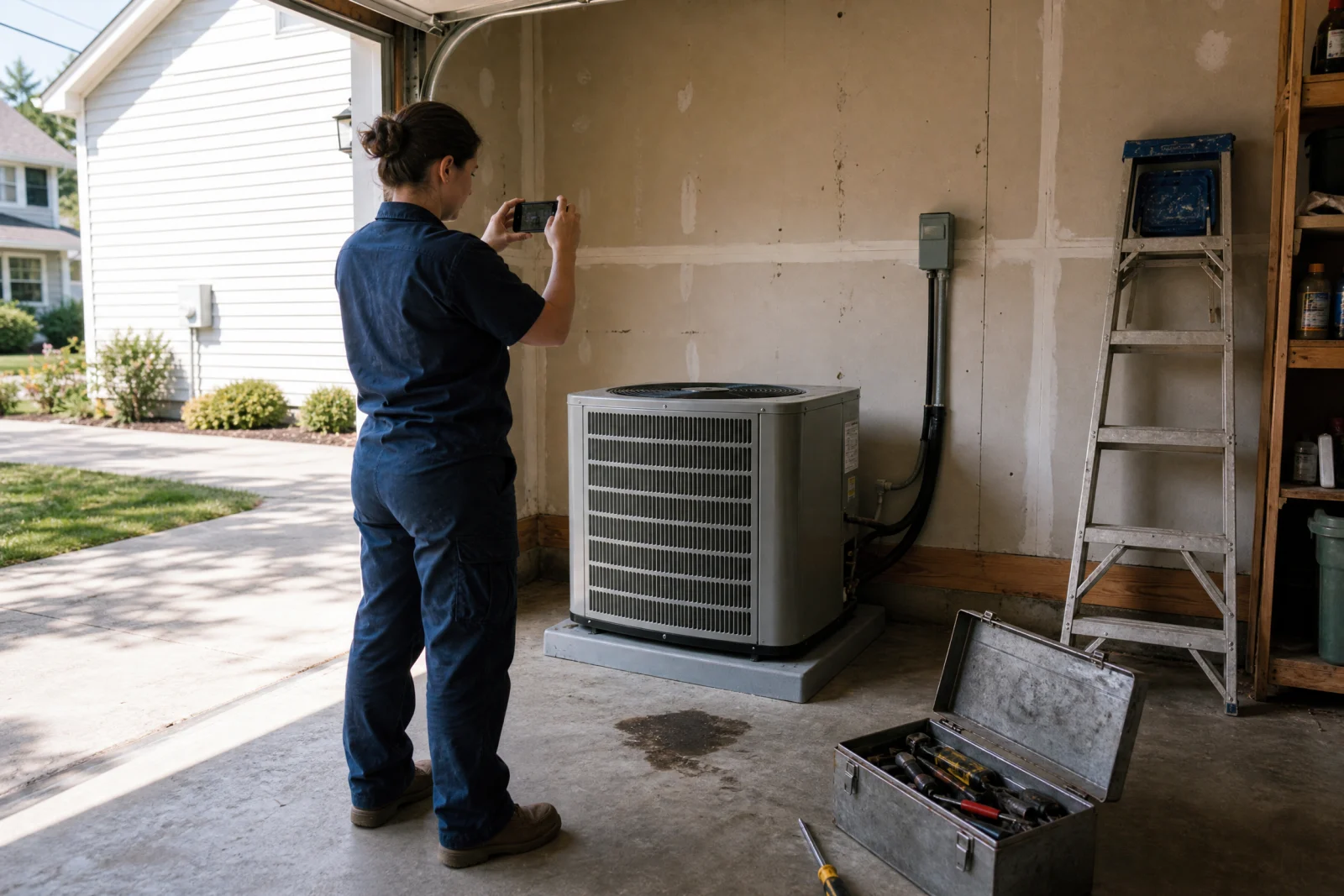
We tell every client the same thing: upload photos every week. Not stock photos, not generic shots of your building. Photos of your team doing the actual work. An HVAC tech replacing a compressor. A landscaping crew finishing a yard. A cleaning team at a job site. Google can tell the difference between a photo you took last Tuesday and one you pulled from a stock library three years ago, and so can the customer who is deciding whether to call you or the competitor below you.
The other move that actually works is posting updates twice a month. Not promotional garbage—real updates. What you are seeing this season, common problems you are fixing, tips that help people avoid emergency calls. These posts show up in search results and in your profile, and they signal to Google that someone is actively running this business. A profile with posts from the past two weeks outranks a profile with no posts, even if the second business has more reviews.
Google now allows up to nine secondary categories beyond your primary category. Most businesses leave those slots empty. An HVAC company that only lists “HVAC contractor” misses searches for “air conditioning repair,” “furnace installation,” and “duct cleaning.” Fill every category slot that applies to your services. Each one is a chance to show up for a search you are currently invisible for.
How Reviews Became Your Biggest Local SEO Ranking Signal (Without Feeling Salesy)
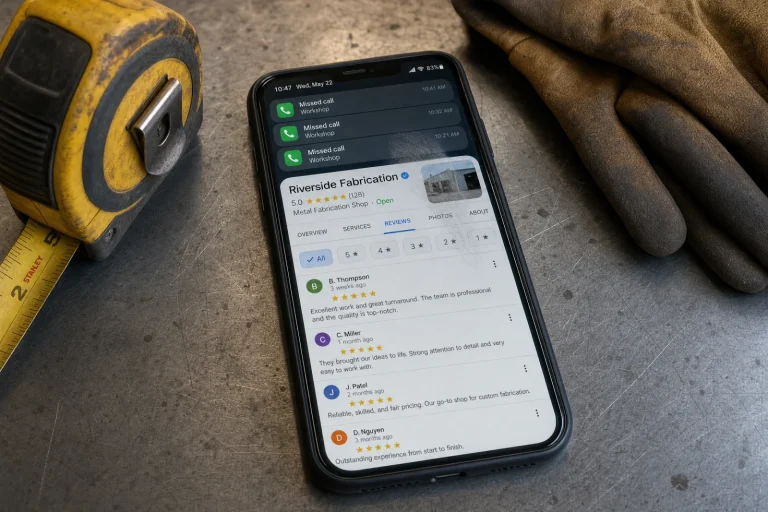
Asking for reviews feels awkward. Nobody wants to sound desperate, and most business owners hate the idea of pestering customers. But reviews are now the strongest local SEO signal you actually control: reviews from the past 90 days carry more ranking weight than reviews from two years ago, and businesses that respond within 48 hours rank higher than businesses that ignore them.

The timing is everything. We set up a system for a cleaning company where they text the customer the same day they finish the job. Not immediately—nobody wants a review request while the crew is still packing up. But that evening, the customer gets a text thanking them for their business and asking if they would leave a review. The message includes a direct link to their Google Business Profile. It takes one click.
That is it. No follow-up emails. No reminder texts. One message, sent while the work is still fresh in the customer’s mind, before they move on to the next thing. The cleaning company went from two or three reviews a month to fifteen. Their ranking in the local pack jumped from fourth to second in six weeks.
The other half is responding. Every review, good or bad, gets a response within 48 hours. Thank the customer, mention the specific service they used, and keep it short. Google tracks response rate and response speed, and businesses with a 90% response rate or higher consistently rank better than businesses that let reviews sit unanswered. It signals that someone is paying attention. If you are not sure how your own follow-up system stacks up, our lead capture audit walks through the same checks we use to help service businesses turn more inquiries into booked jobs.
The Content Trap That Kills Local Rankings (And How We Escaped It)
We rebuilt a service page for an electrician last spring. The old page was 1,200 words about “complete electrical solutions” and “industry-leading expertise.” It ranked for nothing. Nobody called from it. It read like it was written for a search engine, not for someone whose power went out.
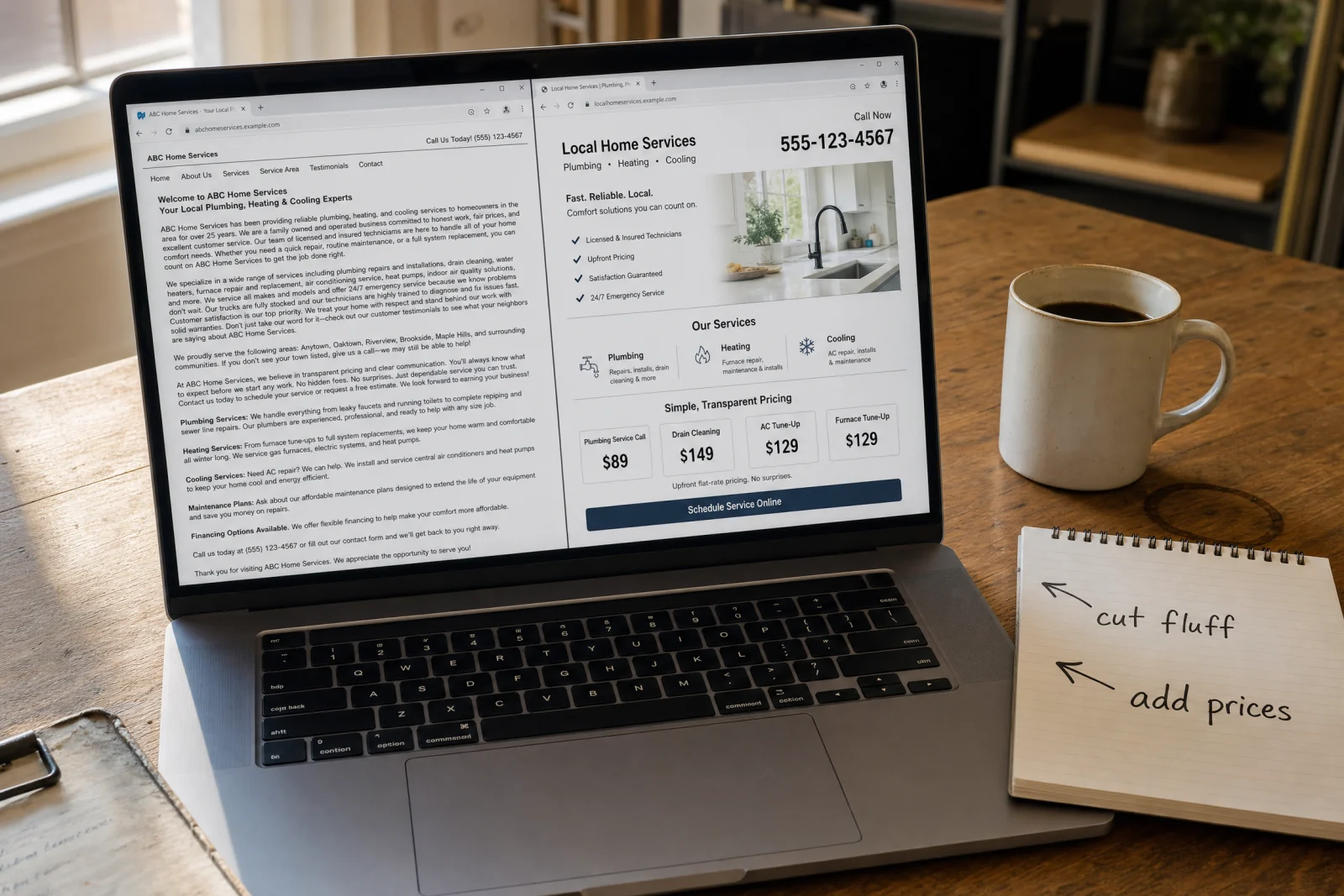
The new page answered the questions people actually search for. What does an emergency electrical repair cost? How fast can you get here? Do you work nights and weekends? What areas do you cover? We cut the word count in half and made every sentence useful to someone who needs an electrician right now.
That shift—writing for the person about to call instead of writing for Google—is what your local SEO strategy actually rewards in 2026. The algorithm is looking for pages that match search intent, and search intent for local services is almost always urgent and specific. Someone searching “emergency plumber near me” does not want a blog post about the history of plumbing. They want a phone number, proof you are available, and a reason to trust you.
The electrician’s page started ranking for “emergency electrician” and “24 hour electrician” within three weeks. Calls went up. The content did not get longer or more keyword-dense—it got more useful. That is the content trap: thinking more words and more keywords equal better rankings. In local SEO, clarity and relevance beat length every time.
Mobile Isn’t a Design Problem Anymore—It’s a Speed Problem
Responsive design is table stakes. If your site does not work on mobile, you are already out of the game. But in 2026, the real local SEO issue is how fast your site loads and responds on a phone.
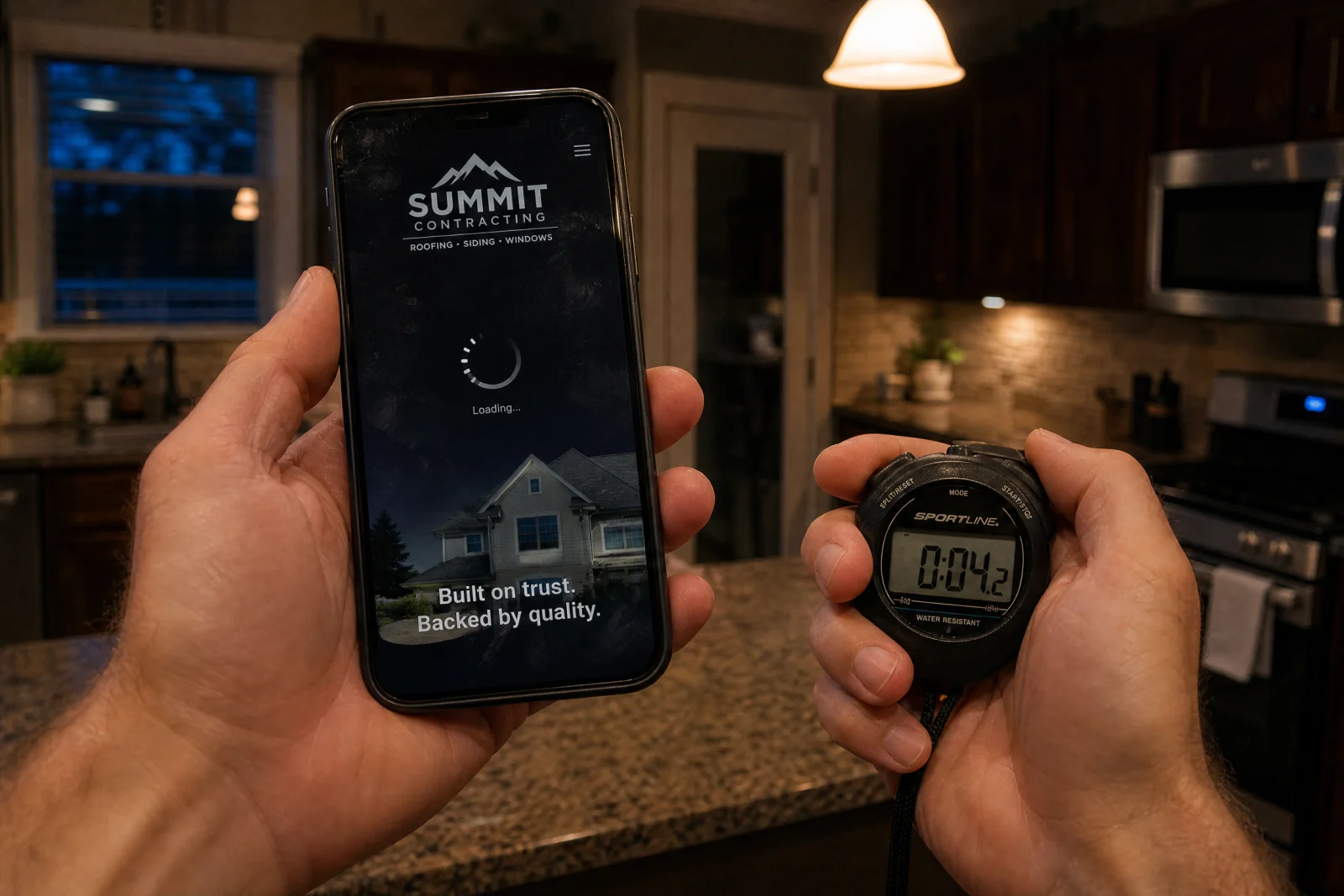
We audited a contractor’s website that looked great on mobile but took six seconds to load. Six seconds is an eternity when someone is searching for help at 9pm with no heat. By the time the page loaded, they had already hit the back button and called the competitor whose site loaded in two seconds.
The culprits are almost always the same. Uncompressed images that are three times larger than they need to be. Third-party scripts for chat widgets, analytics, and tracking that pile up and slow everything down. Videos that autoplay and eat bandwidth. Every one of those things costs you calls.
We stripped the contractor’s site down. Compressed every image. Removed two chat widgets they were not even using. Lazy-loaded everything below the fold. The site went from six seconds to under two. Their mobile traffic doubled in a month because people stopped bouncing before the page even loaded. Speed is a local SEO ranking factor now, not a technical nicety—it is the difference between a call and a lost customer. According to research from Google’s Web Fundamentals, 53% of mobile site visits are abandoned if pages take longer than three seconds to load, which means every second of delay directly impacts your bottom line.
Stop Chasing Citations—Start Chasing Consistency Instead
Citation quantity is a waste of time. Getting your business listed on 200 directories does nothing if your name, address, and phone number are different on half of them.
Google, Apple Maps, and the handful of industry-specific directories that matter for your trade—those are the citations worth fixing. A plumber needs to be on Google and the local plumbing association directory. An HVAC company needs Google and the HVAC trade directories. A landscaper needs Google and the local chamber of commerce. That is it.
Consistency across those few citations does more for your local SEO than volume ever will. If your business name is “ABC Plumbing” on Google and “ABC Plumbing LLC” on Apple Maps and “ABC Plumbing Services” on Yelp, Google does not know if those are the same business. Fix the core citations first. Make sure the name, address, and phone number match exactly everywhere that matters. Then stop. Chasing hundreds of low-authority directories is busywork that does not move your local SEO rankings.
The One Local SEO Audit That Actually Changes Your Rankings This Quarter
If you want to know why your local SEO rankings dropped or why competitors are outranking you, run this audit yourself. It takes an afternoon, and it will show you exactly where the gaps are.
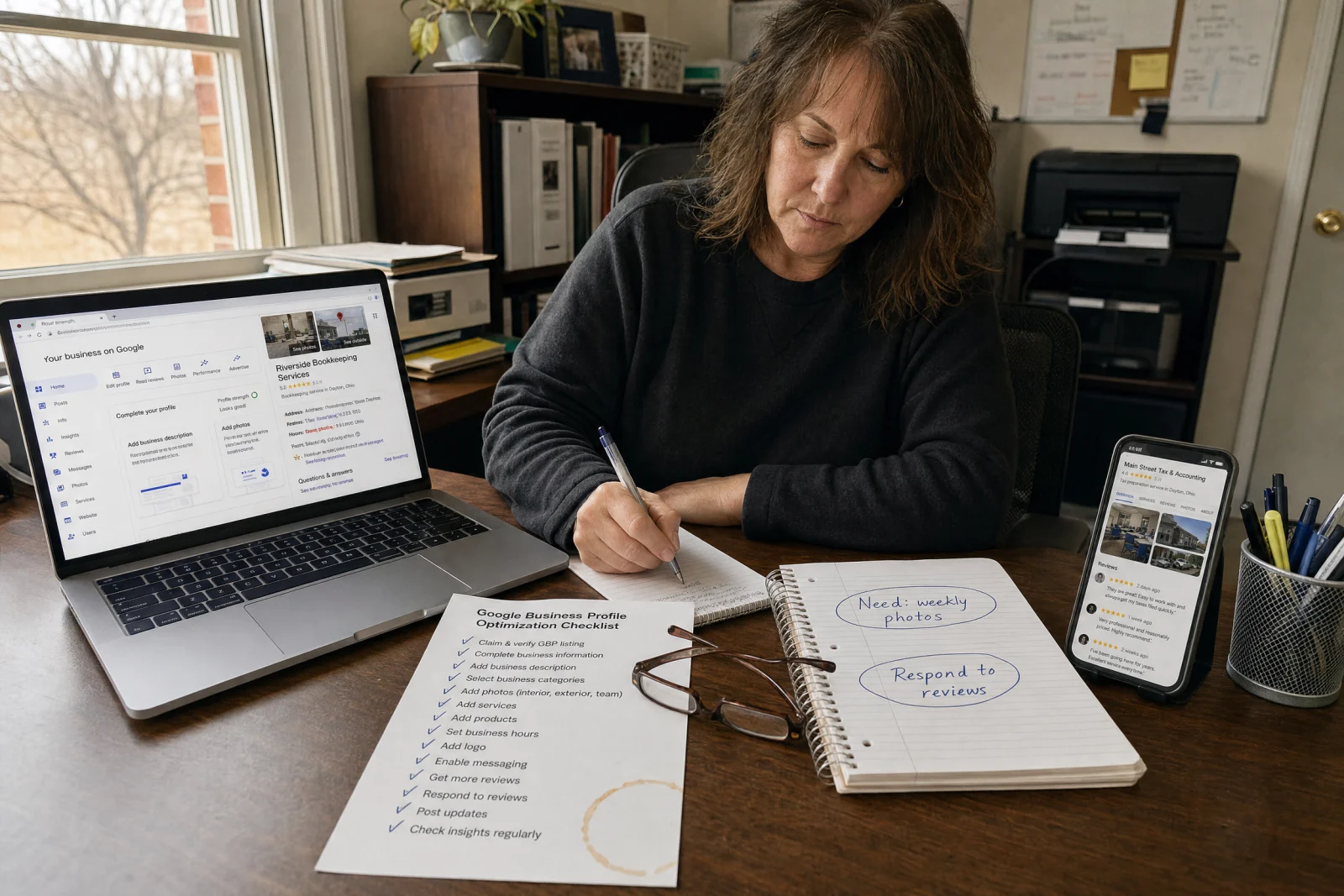
Start with your Google Business Profile. Open it and look at the last time you uploaded a photo. If it has been more than 30 days, that is your first problem. Check your last post. If it has been more than two weeks, that is your second problem. Look at your reviews. How many are from the past 90 days? If the answer is fewer than five, you are losing ground to competitors with fresh reviews. Check your response rate. If you are not responding to at least 90% of reviews within 48 hours, you are leaving local SEO signals on the table.
Next, pull up your website on your phone. Time how long it takes to load. If it is more than three seconds, you are losing mobile traffic. Scroll down and look for your phone number. If it is not visible without scrolling, move it. Check your contact form. If it has more than three fields, cut it down. Name, phone, and what they need—that is all you need to get the call. Open their Google Business Profiles. Look at their photos, their posts, their reviews, their response rate. Compare what they are doing to what you are doing. The gap between their profile and yours is the gap between their ranking and yours.
If you find that your profile has not been updated in months, your reviews are old, your site is slow, and your competitors are doing all the things you are not—fix those four things this week. Upload new photos. Ask your last three customers for reviews. Compress your images and speed up your site. Respond to every review you have ignored. Those four moves will do more for your local SEO than any other marketing project you could start, and you will see the difference in search rankings within six to eight weeks. If you are not sure where your own site stands, our free scorecard walks through the same speed, mobile, and conversion checks we run for clients. We built our entire approach to local SEO around these audits because they show you exactly what needs fixing and give you a clear path to get your phone ringing again.