Why We Fired Our First Local SEO Agency (And What We Learned)
A plumbing company in Jacksonville called us last spring after spending six months with a local search engine optimization agency that promised first-page rankings in ninety days. They paid $1,200 a month. The plumber nodded along during calls and kept paying.
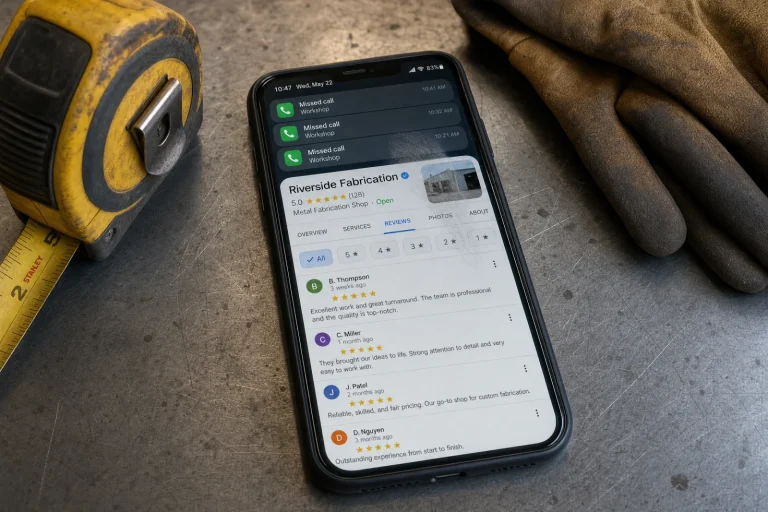
Then he looked at his actual phone. Zero new calls from Google in six months.
When he asked why the rankings had not turned into jobs, they told him the market was competitive and he needed more time. He gave them two more months. Still nothing. He finally pulled the plug when a competitor who started their website three months after him was already showing up in the map pack while his business was buried on page two.
The agency had done work. They built some links, wrote blog posts, updated his Google Business Profile description. But none of it connected to what actually brings a plumber jobs at nine at night when someone has a burst pipe. They optimized for keywords nobody in his town was searching. They built citations on directories his customers would never visit. The work looked legitimate in a spreadsheet, but it was aimed at the wrong target.
We have seen this pattern dozens of times since 2018. An agency sells a service business owner on rankings and traffic, delivers a pile of activity that looks like SEO, and six months later the owner realizes they set money on fire. The problem is not always that the agency is dishonest. Sometimes they are running a process that works for e-commerce sites but does nothing for a local service business that needs calls from people within a fifteen-mile radius.
What actually matters for a plumber, an HVAC company, or a cleaning service is whether someone searching for help in their town can find them, trust them, and call them. That means showing up in the map pack when someone searches for help nearby. It means having a Google Business Profile that looks active and real. It means reviews that sound like they came from actual customers, not a review-farming service. And it means a website that loads fast and makes the phone number easy to find on a mobile screen.
The Jacksonville plumber ended up switching to a local SEO company that focused entirely on home service businesses. Within three months, he was getting eight to ten calls a week from Google. The new agency did less visible work but aimed it at the right things. They cleaned up his service area settings, optimized his profile for the searches people actually use when their water heater breaks, and helped him collect reviews from real customers. No fancy reports. What he got were calls that turned into jobs.
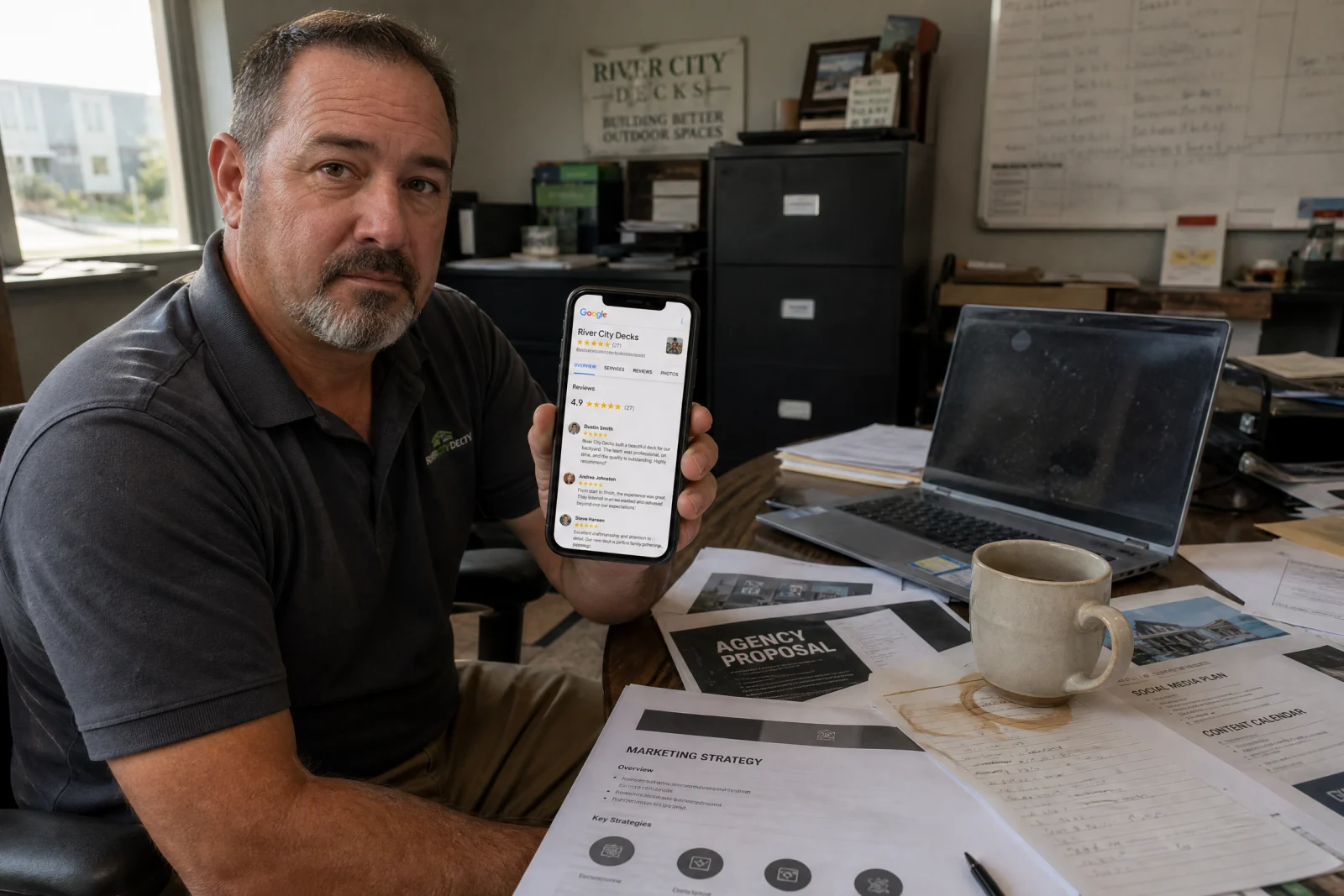
When you vet an agency, ask them to pull up a live profile for a client they currently manage. Not a screenshot of rankings. Not a chart showing traffic growth. The actual live profile. If they hesitate or make excuses about client confidentiality, that tells you everything. A real local search engine optimization agency working with service businesses should be able to pull up a profile, show you the review count, the response rate, the posts they have been publishing, and the questions they have been answering. They should be able to explain why they optimized the business description the way they did and what search terms they were targeting.
We have asked this question to agencies on behalf of clients, and the responses split cleanly into two groups. The good ones pull up three profiles within sixty seconds and walk through their strategy. The pretenders stall, change the subject, or offer to send something later.
The other questions people obsess over when choosing an SEO agency do not matter as much. How long have they been in business? Plenty of three-year-old agencies do great work, and plenty of ten-year-old agencies are coasting on outdated tactics. Do they guarantee first-page rankings? Anyone promising guarantees is either lying or planning to game the system in ways that will get you penalized later. The question is whether their process actually delivers calls for businesses like yours, and the only way to know that is to see the live results.
Three Red Flags You Can Spot in the First Call
They will not tell you what methods they use to improve rankings. If an agency talks about their secret sauce or proprietary system, they are probably using tactics that violate Google’s guidelines. Real local search optimization is not a secret. It is consistent, boring work that follows public best practices published by Google and covered in depth by industry publications like Search Engine Journal.

They lock you into a six-month contract before showing any results. Long contracts protect the agency, not you. We have seen too many service business owners trapped in agreements with agencies that stopped doing meaningful work after month two but kept collecting checks through month six.
They promise rankings in thirty days. Local search does not move that fast unless your market has zero competition. Anyone guaranteeing fast results either does not understand how Google works or plans to use shortcuts that will hurt you later.
How to Actually Verify Results From a Local Search Engine Optimization Agency Without Getting Fooled by Screenshots
We learned this the hard way after a roofing client showed us a proposal from an agency that included screenshots of a Google Business Profile with 487 reviews and a perfect five-star average. The numbers looked incredible. The client was ready to sign.
We asked for the business name so we could look at the profile ourselves. The agency sent it over. We pulled it up, scrolled through the reviews, and immediately noticed something off. The review dates were clustered. Ten reviews in one day. Fifteen the next day. Then nothing for two weeks. Then another burst of twelve. Real customers do not leave reviews in coordinated waves like that unless someone is buying them.
We clicked into a few of the reviews. Half of them were one sentence long with generic praise. No specific details about what the company actually did. The other half were longer but weirdly formal, like they had been written by someone following a template.
Then we looked at the reviewer profiles. A dozen of them had only ever left one review, and it was for this roofing company. Another batch had left reviews for twenty different businesses in ten different states, all in the same month. That is not a customer. That is someone running a review service.
The agency had delivered the numbers they promised. But the reviews were fake, and the profile was one algorithm update away from getting penalized or removed entirely. The roofing client would have paid $1,800 a month for work that could destroy their online reputation the moment Google caught it.
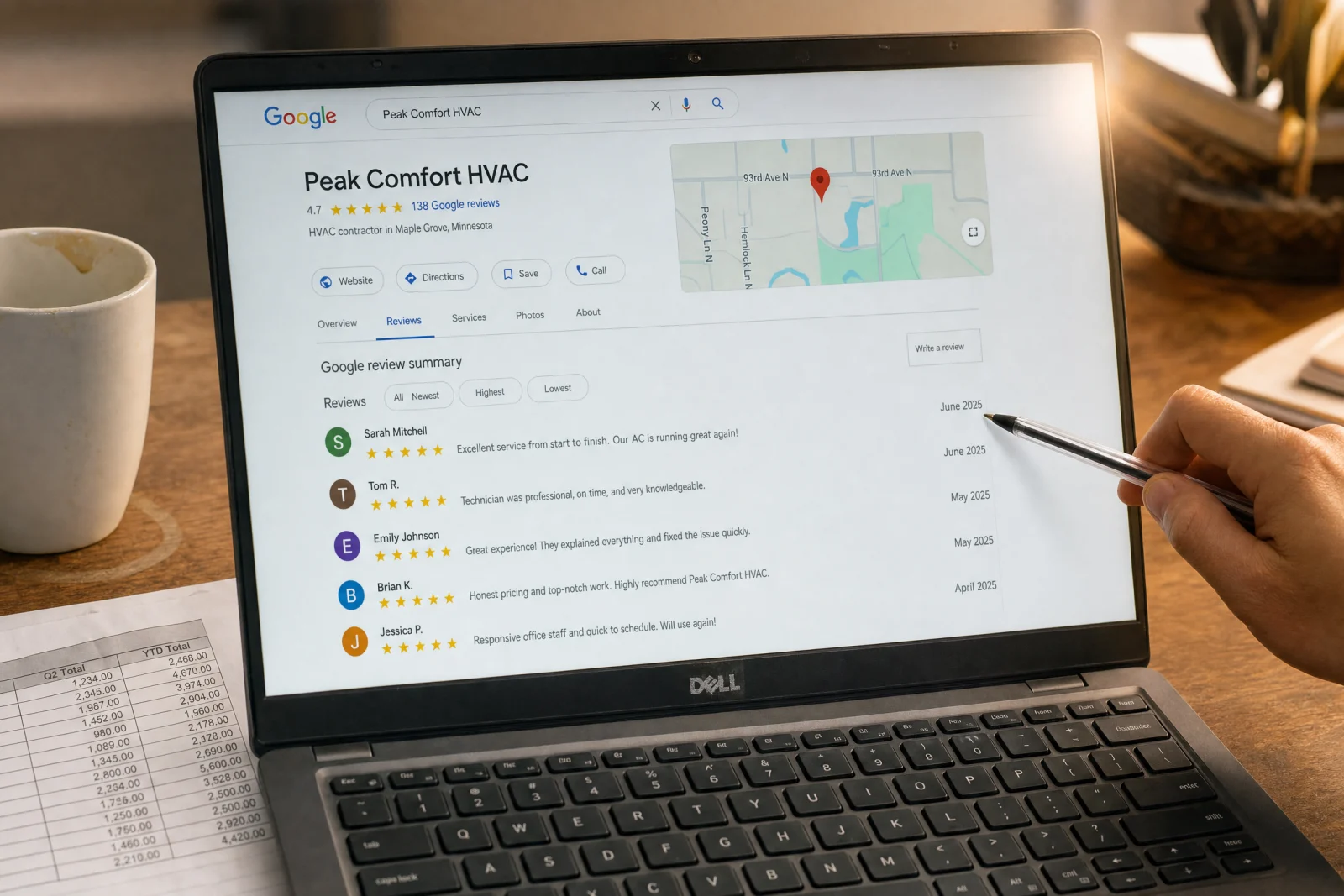
Here is what we do now when an agency shows us results. We pull up the live profile and check the review timeline. Real growth is steady and uneven. You get two reviews one week, none the next, one the week after that, then three in a month. Fake growth comes in bursts. We read the actual reviews and look for specific details. A real customer mentions the technician’s name, the problem they had, or what the company did to fix it. A fake review sounds like a marketing slogan.
We also check the questions and answers section. A real local SEO expert managing a profile will have answered every question posted in the last six months, usually within a day or two. If the questions section is empty or full of unanswered inquiries from months ago, the agency is not actually managing the profile.
And we look at the posts. Google lets businesses publish updates, offers, and announcements directly to their profile. A well-managed profile has posts going up at least twice a month. If the last post is from eight months ago, the agency is not doing the work.
One more thing we check: the service area settings. A local business should have a clearly defined service area that matches where they actually work. If the profile lists the entire state or shows no service area at all, that is a basic mistake that tells you the agency does not understand how local search works for service businesses.
What We Actually Pay for Local SEO (And Why Cheap Agencies Cost More)
We pay between $800 and $2,000 a month for local SEO services for most of the service businesses we work with, depending on how competitive their market is and how much ground they need to make up. A plumber in a small town with two competitors might be fine at $800. An HVAC company in a metro area fighting twenty other companies for the same map pack spots needs closer to $2,000.

That price gets you someone who actually manages your Google Business Profile, responds to reviews, publishes posts, fixes citation errors across the web, and builds a few high-quality local links every month. It also gets you someone who knows what to do when Google changes the rules, which happens a few times a year and can tank your rankings overnight if you are not paying attention.
The agencies charging $300 or $400 a month are not doing that work. They are running an automated process that submits your business information to a hundred directories, writes one blog post a month using a content template, and sends you a report that looks like progress. We have cleaned up after those agencies more times than we can count.
On the other end, agencies charging $5,000 a month are usually selling you services you do not need. They are building custom content strategies, running paid ad campaigns on top of the SEO work, and assigning a team of people to your account. That makes sense for a large multi-location business. For a single-location service company, it is overkill.
The reason cheap agencies cost more in the long run is that they waste six months of your time doing work that does not move the needle, and then you have to pay someone else to undo the damage and start over. We have seen profiles penalized because a cheap agency built spammy links. We have seen citation listings with the wrong phone number spread across fifty directories, and it took three months to clean up. If you need help understanding where your business stands right now, we offer local SEO services that focus on the work that actually drives calls for service businesses.
Before You Sign: The 90-Day Proof Point
Before you sign anything, ask the agency to put their first ninety days of work in writing. Not vague promises about improving your online presence. Specific deliverables with dates attached.

A good local search engine optimization agency will commit to auditing and improving your Google Business Profile in the first two weeks, including fixing your service area settings, rewriting your business description, and setting up a posting schedule. They will commit to responding to every review within twenty-four hours starting immediately. They will commit to cleaning up your top ten citation listings within the first month and building at least three high-quality local links by the end of quarter one.
If they will not put that in writing, they are not confident they can deliver it. And if they are not confident after looking at your current situation, you should not be confident in them.
We also ask agencies to commit to a specific communication schedule. One call every two weeks for the first ninety days, plus a written update every week showing what they did and what they are working on next. Not a fifteen-page report full of charts. A simple email that says we fixed your NAP consistency on these three directories, we published two posts to your profile, we responded to four reviews, and we are working on outreach for a local backlink from the chamber of commerce.
The best agency we ever worked with sent a five-sentence email every Friday. It took them two minutes to write and told us exactly what happened that week. The worst agency we ever fired sent a twenty-page PDF every month that took an hour to read and told us nothing useful.
One more thing to get in writing: the exit terms. If you are not seeing results after ninety days, you should be able to walk away without paying a cancellation fee or waiting out the rest of a long contract. A contractor in Tampa told us he got locked into a six-month agreement with an agency that did nothing for three months, and when he tried to cancel, they told him he still owed them for the remaining three months whether they did the work or not.
Ask the agency to include a performance clause that lets you terminate the agreement with thirty days’ notice if they miss two consecutive months of their committed deliverables. That protects you from paying for work that is not getting done. If they push back on that, it tells you they are not confident they will hit their own targets.
What We Tell Every Service Business Owner Before They Hire
The Jacksonville plumber who called us last spring ended up working with a local search engine optimization agency that had built profiles for six other plumbing companies in Florida. They did not promise him first-page rankings in ninety days. They told him it would take four to six months to see consistent calls from Google, and that the work would be boring and repetitive. They were right on both counts.
Six months later, he was getting ten to twelve calls a week from his Google Business Profile. His profile sits in the top three map pack results for every major plumbing search in his area. His reviews are real, his phone number is correct across every directory that matters, and his website loads in under two seconds on a phone. None of that happened because of a secret strategy. It happened because the agency did the same work every week for six months without cutting corners.
Before you hire anyone, pull up their clients’ profiles and see the work for yourself. Ask them to put their first quarter in writing. And make sure you can walk away if they do not deliver. If you are not sure where your own online presence stands right now, our website scorecard walks through the same checks we use when evaluating whether a service business is set up to capture local search traffic. The right local search engine optimization agency will agree to all of that without hesitation, because they know their work holds up under scrutiny.