The right answering service is the problem this guide helps a business owner diagnose before making the wrong next move.
A plumbing client called us last June because his website was not bringing in enough work. We pulled the analytics and found something strange. Traffic was fine. The contact page was getting plenty of visits. But the phone was not ringing.
Turns out the phone was ringing. He was not answering it.
He worked alone most days, which meant every time he was under a sink or up on a roof, calls went straight to voicemail. He figured people would leave a message and he would call them back during lunch. What actually happened is that about eight out of ten people hung up without leaving anything, called the next plumber on the list, and booked the job before he ever knew they existed. Finding an answering service he could trust became key to his survival.
We see this constantly with service businesses. Research shows that around 85 percent of callers will not try again if you miss them the first time. They move on to the next company within minutes. For small businesses, that adds up to an average of $126,000 in lost revenue every year from unanswered calls. That is not a marketing problem. That is a phone problem.
The math gets worse when you think about what a single missed call actually costs. A new HVAC install might be worth $8,000. A commercial cleaning contract could bring in $2,000 a month for two years. A landscaping job that turns into weekly maintenance is worth $15,000 over the season. Miss one call during lunch and you are not losing one job. You are losing the entire relationship and every dollar that comes after it.
Most service business owners we work with have spent money on a new website, local SEO, maybe some Google ads. Then they let half their leads go to voicemail because they are busy doing the actual work. The competitor who answers wins, even if their site is worse and their reviews are weaker. Speed beats quality when someone needs help right now.
That plumber we mentioned earlier started using a live answering service in July. Within three weeks his booking rate doubled, not because more people found him, but because more people could actually reach him. The Small Business Administration has documented this pattern across industries—small operational changes in customer access often deliver bigger returns than marketing spend.
We decided to test six of the most common answering services to figure out which ones actually work for the kinds of businesses we build sites for. Not which ones have the best marketing or the fanciest dashboard. Which ones answer the phone fast, get the details right, and help you book the job before the next guy does.
Live Receptionists vs. AI: Stop Overthinking This
Every service business owner asks us the same question when they start looking at an answering service. Should I go with a live person or one of the new AI options?
Honest answer: it matters way less than you think.
We have watched businesses succeed with both. We have also watched businesses waste money on both. The difference is not whether a human or a robot picks up. The difference is whether the call gets answered in three rings, whether the person or bot captures the right information, and whether someone follows up within an hour. A great AI system that texts you the lead instantly beats a live receptionist who takes a message and emails it to you.
Live receptionists still win for businesses that get complicated calls—someone asking about six different services, or a commercial client who wants to talk through a big project. AI works better when the call is simple and the next step is obvious. Either way, the best answering service is the one that gets you the lead while the customer still cares.
The real mistake is spending three weeks researching the perfect option while you lose another dozen calls to voicemail. Pick an answering service that fits your budget and call volume, set it up this week, and adjust later if you need to. Anything is better than nothing.
How We Actually Tested Six Services (And Why Most Reviews Get It Wrong)
Most answering service reviews are written by people who never actually used the service for a real business. They sign up for a trial, place one test call, check the dashboard, and write up a feature comparison. That tells you nothing about what happens when a frustrated homeowner calls at 7pm because their furnace died.
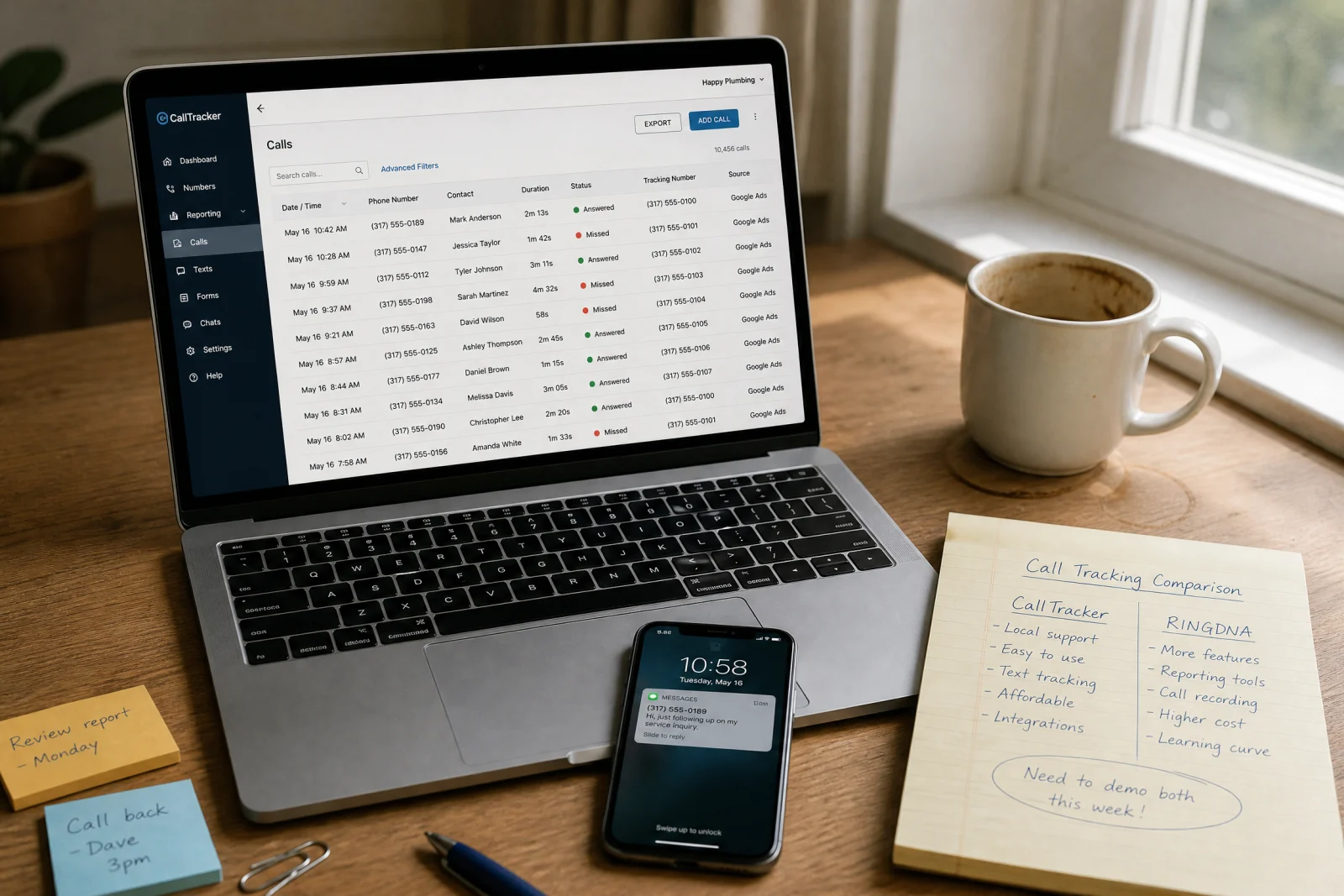
We tested six services over four months using real calls from actual service businesses we work with. Three HVAC companies, two plumbers, and a cleaning service agreed to let us route their overflow calls through different answering services so we could see what happened in the wild. We were not looking for the service with the best website or the most integrations. We wanted to know which ones actually helped book jobs.
The first thing we tested was answer speed. We called each service during business hours, during lunch, and late evening to see how fast someone picked up. Most services answered within three rings during normal hours. Two of them let calls ring eight or nine times during lunch, which is exactly when service businesses are most likely to miss calls. One service sent us straight to voicemail twice during a weekday afternoon with no explanation.
Then we tracked accuracy. After every call, we compared what the customer actually said to what the answering service wrote down in the message. This is where things fell apart for half the services we tested. One service misspelled the customer’s name on four out of ten calls. Another one got the phone number wrong twice, which meant the business owner called back and reached a stranger. A third service consistently failed to capture what was actually wrong—a call about no heat got logged as a maintenance checkup.
We also measured how fast the lead got to the business owner. A few services texted the owner within 30 seconds of the call ending. Others sent an email summary at the end of the hour. One service uploaded the message to a portal that the business owner had to log into manually, which defeated the entire point. When someone calls because their AC is out in August, waiting an hour to hear about it means they have already hired someone else.
The last thing we looked at was pricing transparency. We wanted to know exactly what the service would cost for a typical small business taking 50 to 100 calls a month. Two services made this easy with flat monthly rates and clear overage pricing. Three services had confusing per-minute billing that made it nearly impossible to predict your monthly bill. One service advertised a low base rate but charged extra for nights, weekends, appointment scheduling, and bilingual support—by the time you added everything a service business actually needs, the real price was triple the advertised rate.
What most reviews miss is that the service that works great for a law office might be terrible for a plumber. Service businesses get short, urgent calls from people who need help right now. They do not need someone to screen calls or take detailed messages. They need someone to grab a name, number, and problem, then get that information to the owner before the customer moves on. That is what separates a good answering service from the rest.
Smith.ai — best overall answering service for most small businesses
Smith.ai came out on top for businesses that want a live receptionist without paying $600 a month. Their pricing is straightforward—$292.50 per month for 30 calls, which works out to about $9.75 per call, and $11 for each additional call after that. No setup fees, no surprise charges for weekend coverage, and no contract.
Every call gets answered by a real person who follows a script you customize during onboarding. The part that impressed us most was speed. They texted the business owner within 60 seconds of every call we placed, and the information was accurate every single time. One of the HVAC companies we work with switched to Smith.ai in September and their booking rate went up 40 percent in the first month because they stopped missing evening calls.
Abby Connect — best for higher call volume and complex calls
Abby Connect’s Essential plan is $329 per month for 100 minutes, and the Professional plan is $599 for 200 minutes. That is more expensive than Smith.ai, but you get a small team of five to ten receptionists who learn your business instead of rotating through random agents. They also include 24/7 coverage, Spanish support, and appointment scheduling on every plan.
We tested them with a commercial cleaning company that gets a lot of detailed calls from property managers, and Abby Connect handled those calls better than any other answering service we tried. The receptionists asked follow-up questions, confirmed scheduling details, and even upsold additional services twice.
The four we would not recommend
Ruby costs nearly $5 per minute on their base plan, which is absurd for a small business. AnswerConnect buried their real pricing behind a sales call and their actual rates came in around $2.75 per minute with a setup fee. Moneypenny answered slowly during peak hours and their message accuracy was inconsistent. Posh had confusing tier names and their entry plan included zero minutes, which makes no sense.
None of them were bad enough to actively hurt your business, but none of them were good enough to recommend when Smith.ai and Abby Connect exist.
What Kills Most Answering Service Setups (And How to Avoid It)
The service itself is only half the equation. We have watched businesses sign up for a great answering service and still lose calls because they never finished the setup.
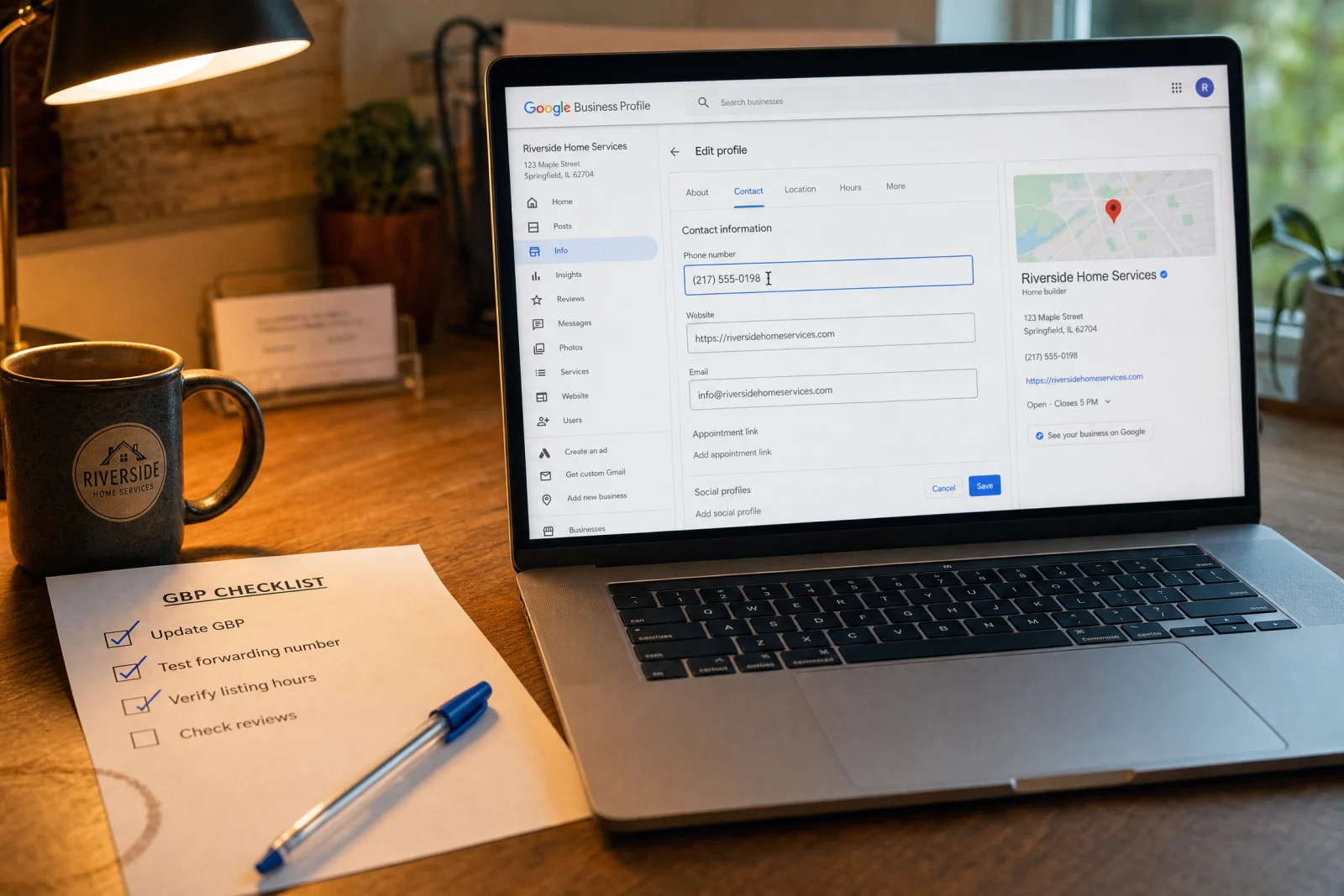
The biggest failure point is call routing. One of the HVAC companies we work with signed up for an answering service, paid for the first month, and then realized two weeks later that half their calls were still going to voicemail. Turns out they never updated their Google Business Profile with the new answering service number, so anyone calling from Google Maps was hitting the old line. Another business set up call forwarding but only during business hours, which meant evening and weekend calls—the most urgent ones—were still getting missed.
The fix is simple but you have to actually do it. Update your number everywhere—your website, your Google Business Profile, your Yelp page, your truck decals, your email signature. Then set up conditional forwarding so calls go to the answering service when you are unavailable, not all the time. Most services will walk you through this during onboarding, but you have to follow through and test it with real calls before you assume it is working.
The second thing that kills setups is bad scripts. Most answering services will ask you what information you need from each call. If you say “get their name and number,” that is what you will get, which is not enough to decide whether the call is worth returning. A better script asks for name, phone number, what is broken, and when they need it fixed. That gives you enough context to prioritize callbacks and prepare before you dial. One plumber we work with added “Have you already called other companies?” to his script, which helped him figure out how urgent the call was and whether he needed to follow up in five minutes or five hours.
The last mistake is treating your answering service like a voicemail replacement instead of a lead system. The service captures the call, but you still have to call the customer back fast. We watched a cleaning company let Friday afternoon calls sit until Monday morning because they figured the weekend was too late to follow up. By Monday, four out of five of those leads had already hired someone else. The service did its job. The business owner did not do his. If you are not sure whether your current follow-up system is working, our lead conversion guide walks through the timing and process that actually turns calls into booked jobs.
The first 48 hours after you turn on an answering service are the most important. Test it by calling your own number from a friend’s phone. Make sure the forwarding works. Check that the messages are coming through fast. Confirm that the script captures the details you actually need. Fix anything that feels clunky before real customers start calling. An answering service that is 80 percent set up is worse than no service at all, because you will assume it is working when it is not.
Book Your First Call This Week (Not “Someday”)
That $8,000 install we talked about at the beginning is out there right now, dialing somebody. If it is not you, it is because they answered and you did not.
Request a demo from Smith.ai if you want affordable and reliable. Try Abby Connect if you get enough call volume to justify the cost. Set a date this week to switch over—not next month, not when things slow down, this week. Update your call routing, test it twice, and start answering every call that comes in.
Choosing an answering service is the one decision that stops you from losing jobs to competitors who picked up the phone faster. The best answering service is the one you actually use.