After hours web chat is the problem this guide helps a business owner diagnose before making the wrong next move. When your website gets traffic late at night or on weekends, you need a system that captures those leads even when you’re not at your desk—otherwise, you’re handing jobs to competitors who respond faster.
The 11 PM Problem: What Actually Happens When Your Chat Goes Silent
A plumbing client called us last summer because their website was getting traffic but zero jobs from it. We pulled up their analytics and saw the pattern immediately. Forty percent of their chat widget opens happened between 7 PM and midnight. Almost none of those turned into booked work.
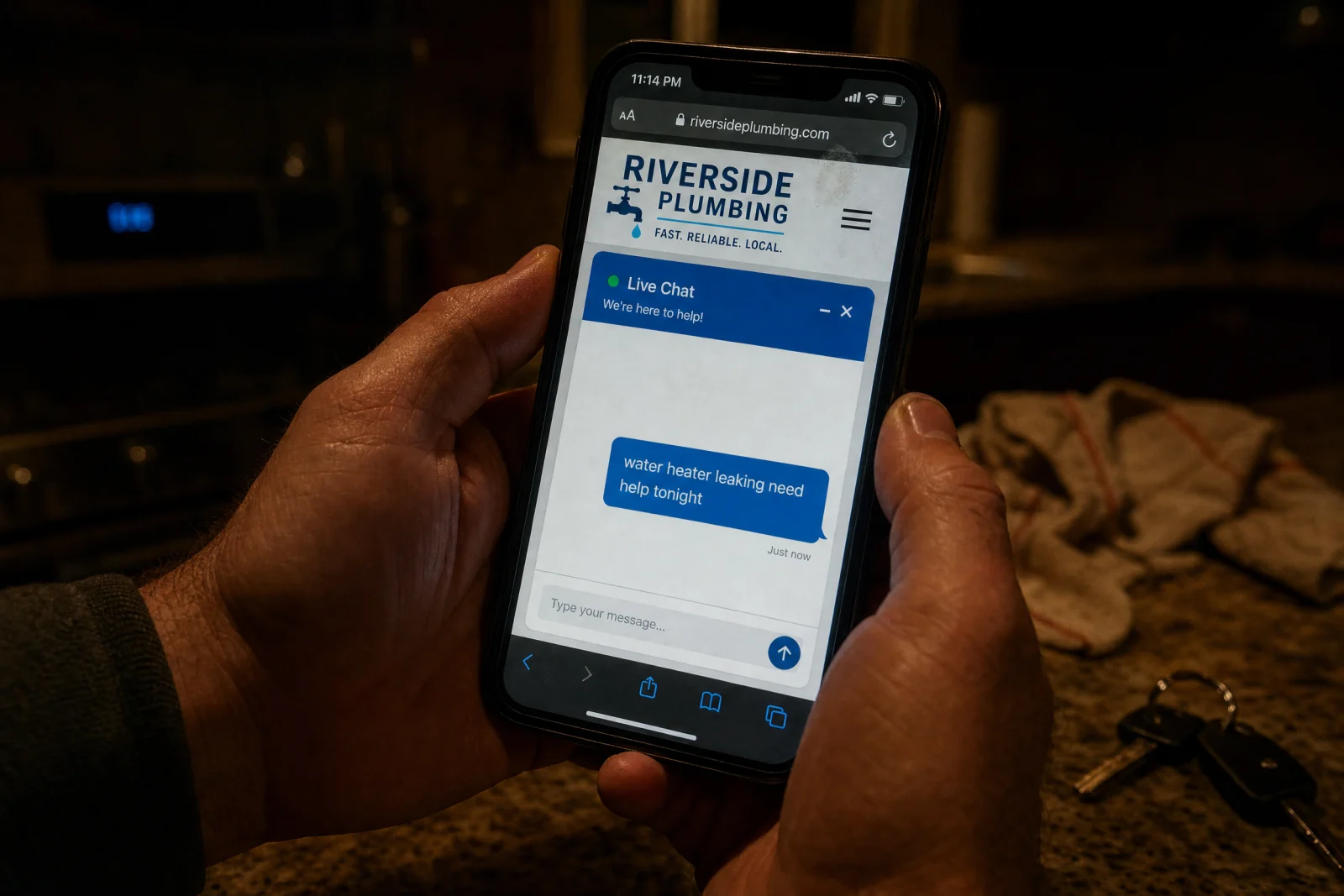
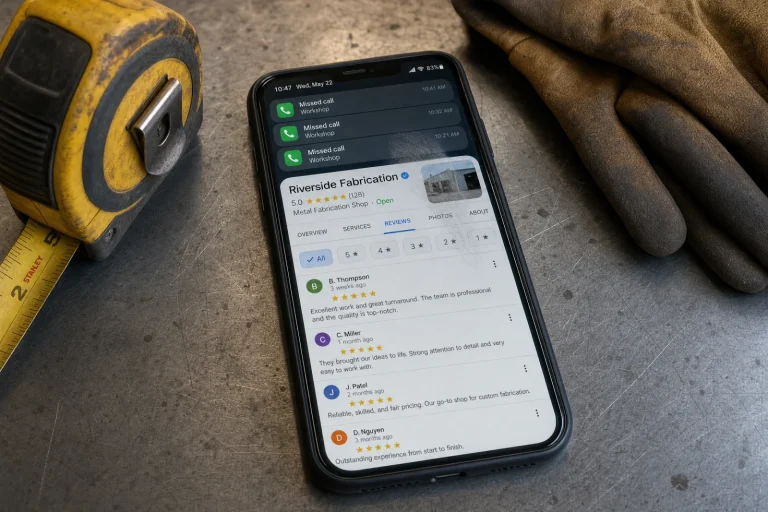
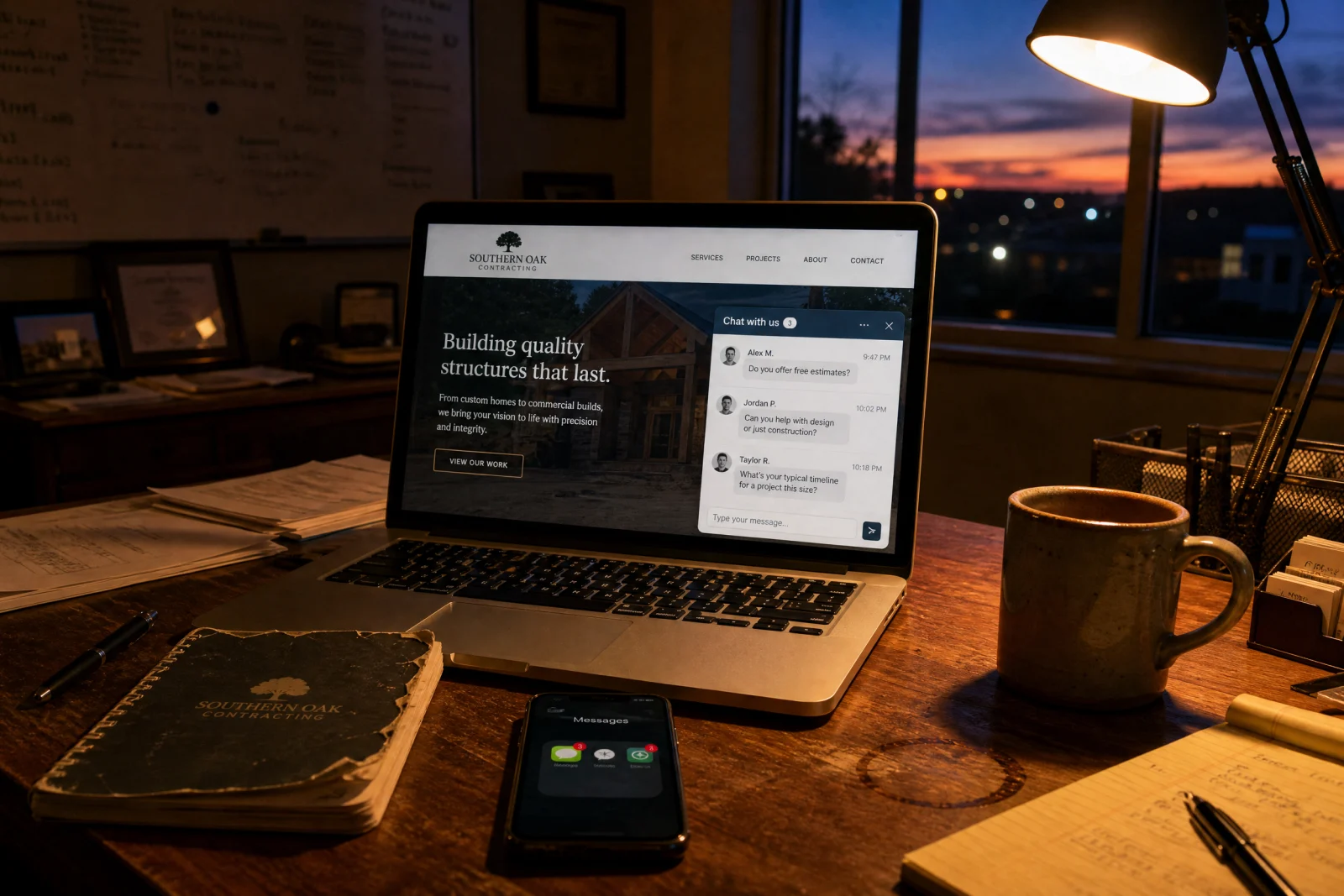
We watched one of those sessions play out in real time on a Tuesday night. Someone opened the chat at 11:14 PM, typed “water heater leaking need help tonight,” and waited. The little typing indicator sat there doing nothing. Three minutes passed. The person refreshed the page once, waited another minute, then closed the tab. By 11:22 PM they were gone.
That eight-minute window told the whole story. The lead started urgent, moved to hopeful when they saw the chat widget, then frustrated when nobody responded, then suspicious that maybe this company was not actually available. By the time they left, they were already typing a new search into Google. Probably “24 hour plumber near me” or “emergency plumber open now.” Someone else got that job.
The cost was not one lost call. It was trust. During business hours, that same chat widget lit up within 90 seconds every time. The company looked responsive, looked real, looked like they cared. But after hours web chat that went silent told a different story. It told the lead that this business only half-worked, that the website was a facade, that maybe they should find someone more reliable.
We have rebuilt chat systems for dozens of service businesses since 2018, and the pattern holds across all of them. HVAC companies, electricians, cleaning services, landscapers. The leads do not arrive on a nine-to-five schedule. A broken air conditioner does not wait until Monday morning. A clogged drain does not respect office hours. The jobs go to whoever answers first, and first means right now, not tomorrow at 8 AM when the office opens.
One HVAC shop we worked with tracked this for a month. They logged every after-hours chat that went unanswered, then called those numbers the next morning. Sixty-two percent had already hired someone else. Another twenty percent did not answer or said they were no longer interested. The shop was losing four out of every five overnight leads simply because nobody was there to respond. That was sixteen jobs in one month, gone before the owner even knew they existed.
The worst part is how invisible the problem stays. Most service business owners never see those chat logs. They check their inbox in the morning, see no new messages, and assume the night was quiet. They have no idea that six people tried to reach them, waited a few minutes, and moved on.
Why Your Competitors Are Winning the Overnight Shift
A competitor down the street is not smarter or cheaper. They answer faster.
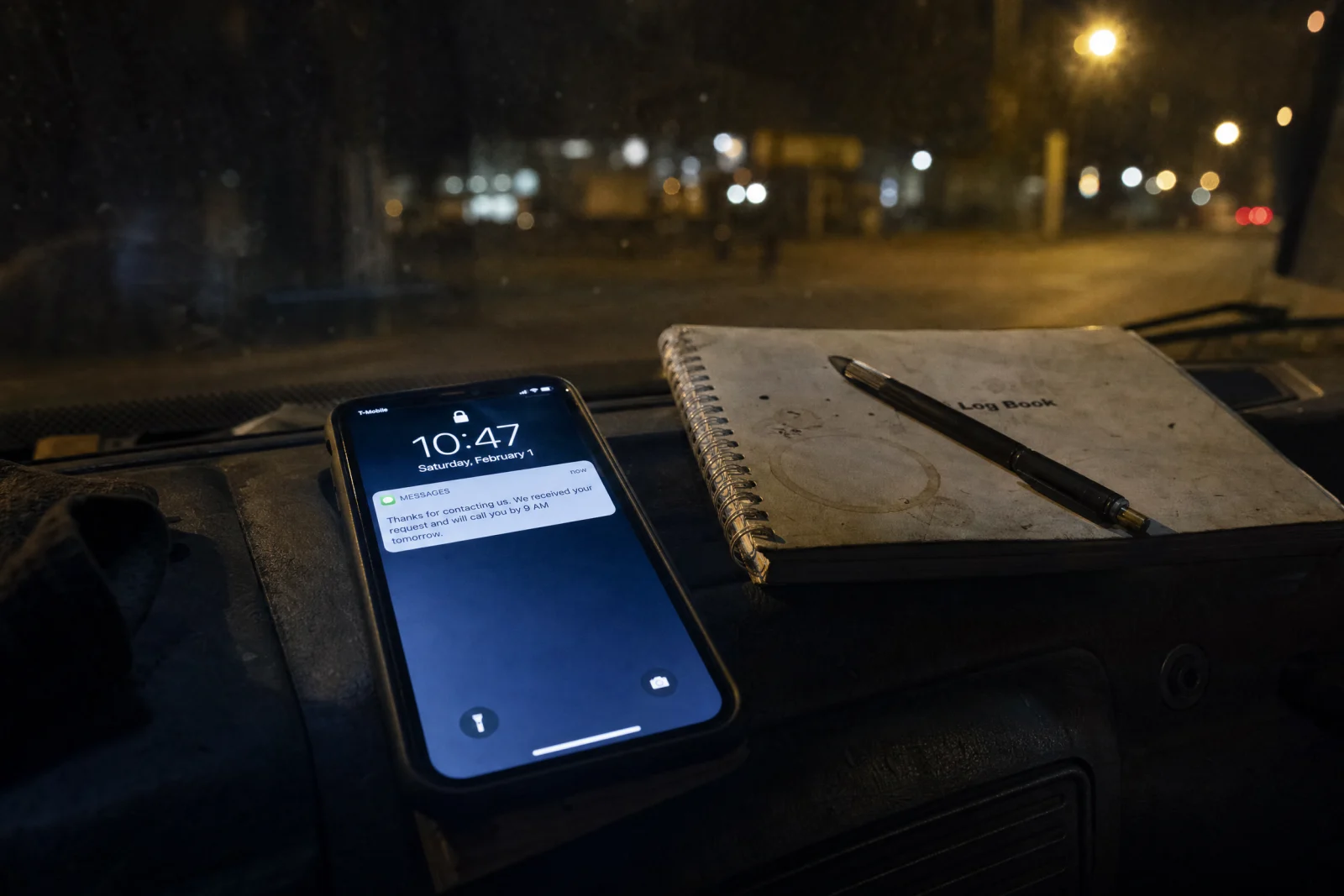
We watched this play out with an electrical contractor last fall. Their competitor had a chatbot that asked three questions—what is the problem, when do you need service, what is your phone number—then sent an automated text within two minutes saying someone would call by 9 AM. That was it. No fancy AI, no live agent, a simple acknowledgment that the lead mattered. The competitor was booking six to eight jobs a week from overnight and weekend inquiries. Our client was booking zero.
Generic auto-responders that say “we will get back to you soon” do nothing because soon is not a promise. Email-only follow-up loses because nobody checks email when their basement is flooding. The single biggest advantage is speed, and speed during off-hours means having a system that responds within minutes, not hours. According to research from Forbes Agency Council, businesses that reply within two hours capture leads at five times the rate of businesses that wait until the next business day.
The competitor is not doing anything complicated. They built a system that works when the owner is asleep. That system is worth more than a redesigned homepage or a better logo or any other marketing expense most service businesses waste money on.
The Chatbot Trap We Fell Into (And How to Actually Use One)
We installed a chatbot for a cleaning company in 2022 and watched it fail for three months before we figured out what was wrong. The bot greeted visitors, collected their name and email, and told them someone would be in touch soon. It looked professional. It did nothing useful.
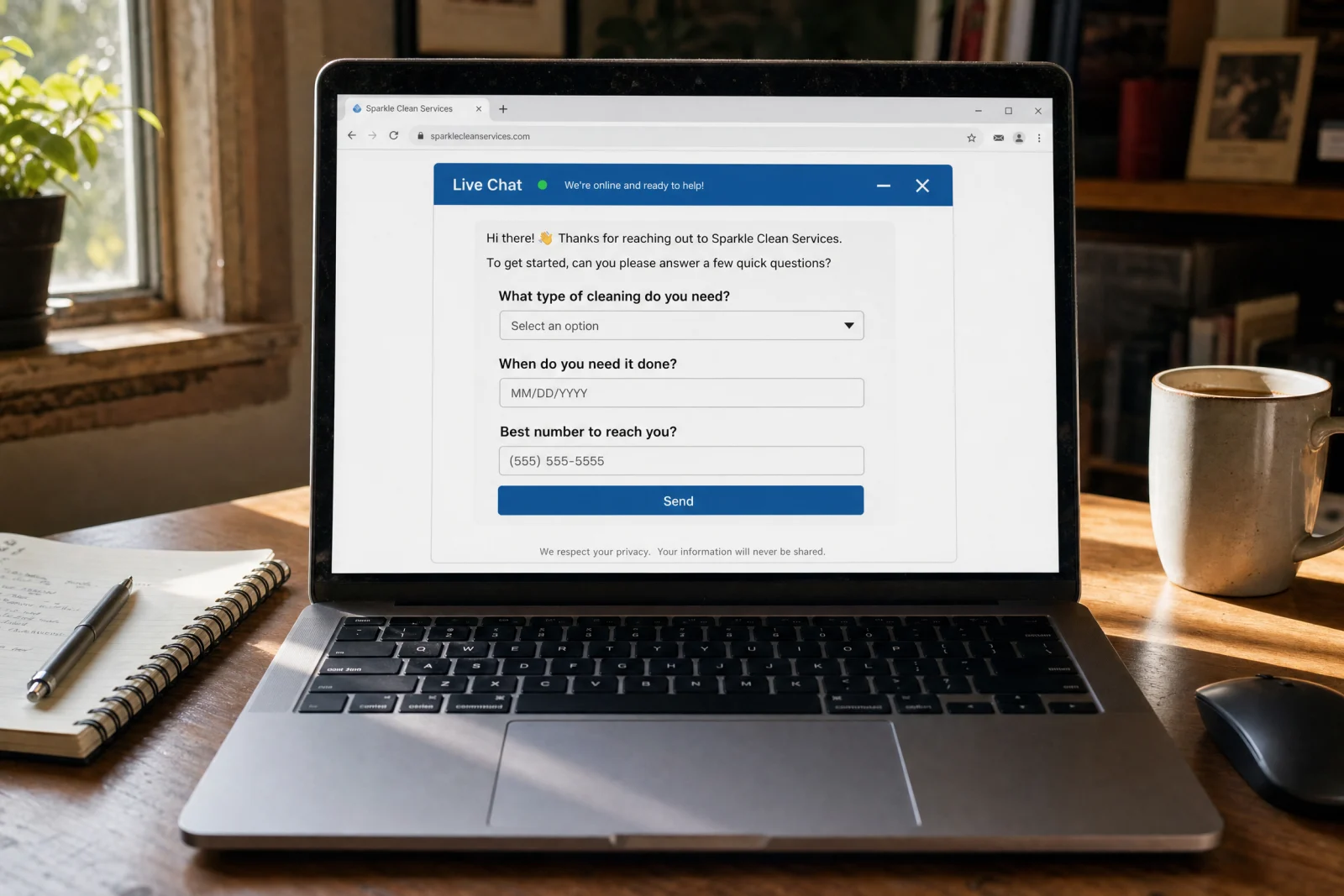
The problem was that the bot treated every visitor the same. Someone browsing pricing pages at 2 PM got the same experience as someone desperately searching for same-day service at 10 PM. The bot collected data but did not qualify leads, did not set expectations, did not give the visitor any reason to wait for a callback instead of moving on to the next search result.
We rebuilt the whole thing around three questions that actually mattered. What type of cleaning do you need. When do you need it done. What is the best number to reach you. Then the bot did something different depending on the answers. If someone was browsing or planning ahead, the bot scheduled a follow-up for the next business day and gave them a booking link they could use right away.
The hand-off was the part most businesses get backwards. The bot should not try to close the deal. It should not ask fifteen questions. Its only job is to keep the lead warm until someone real can talk to them. That means acknowledging the inquiry fast, asking enough to know whether this is urgent, and giving the lead a clear next step so they do not feel abandoned.
After we fixed it, the cleaning company started booking four to six jobs a month from after-hours inquiries. Same traffic, same website, different bot. The difference was that the new system treated urgency like it mattered. A lead who needs help tonight does not want to fill out a form and hope for the best. They want to know someone is paying attention and will actually call them back.
We still see service businesses install chatbots that do nothing but collect emails. Those bots are worse than no bot at all because they create the illusion of responsiveness without delivering any. A visitor sees the chat widget, assumes someone is available, then realizes nobody is actually there. That is not a missed lead. That is active damage to the brand.
Building an After Hours Web Chat Response System That Actually Works at 2 AM
An HVAC company we worked with had a simple problem. The owner lived in Florida, most of his leads came from the Tampa area, but a quarter of his website traffic hit between 9 PM and 2 AM. He could not stay up all night waiting for chats, and hiring a full-time overnight person made no sense for a business doing twelve jobs a month.
He tried rotating his two techs to cover evenings, but they hated it and the quality of responses dropped. He tried an outsourced chat service for three months, and it worked better than nothing but the agents did not know his pricing, could not answer specific questions about his service area, and sometimes gave leads bad information that he had to fix the next day.
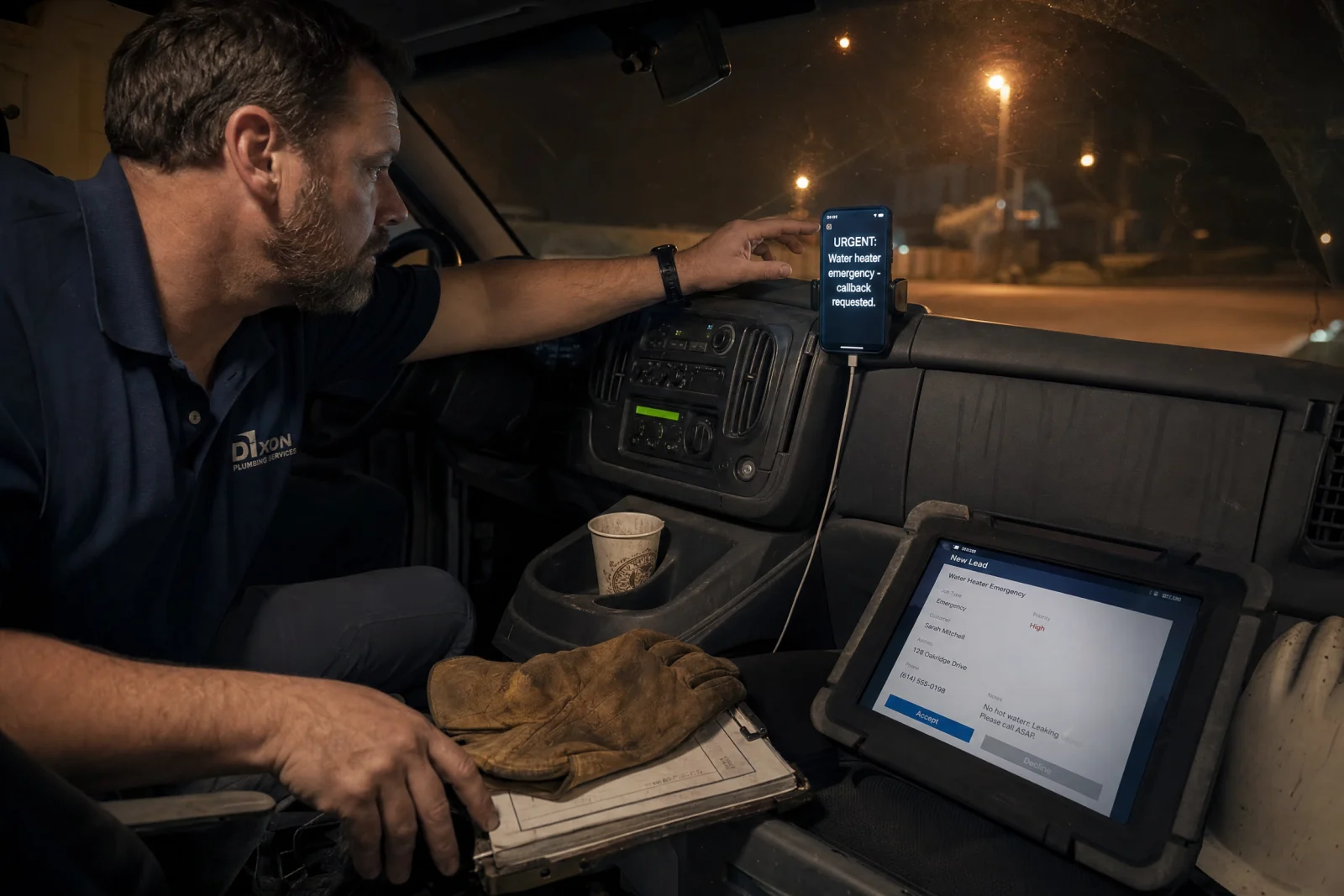
What finally worked was a hybrid. He set up an automated chat response for after-hours that asked the qualifying questions, sent him a text immediately if the lead marked their issue as urgent, and gave every lead a direct booking link plus his emergency phone number. Non-urgent leads got a message saying someone would call by 9 AM the next morning, and those callbacks happened every single time because he built a simple spreadsheet that logged every after-hours chat and checked it first thing every morning.
The system was not perfect, but it was reliable. Urgent leads got a human callback within 20 minutes about half the time, and within two hours the rest of the time. Non-urgent leads got a callback the next morning and did not mind waiting because the bot set that expectation up front. The owner stopped losing sleep, the leads stopped disappearing, and the business added about $4,000 a month in jobs that used to go to competitors who answered faster.
For most small service businesses, the right model is not 24/7 live chat with a human agent. It is a smart automated system that triages leads, responds immediately, and gets urgent ones in front of a real person fast. The businesses that try to cover every hour with live staff burn out or go broke. The businesses that ignore after-hours entirely lose a quarter of their leads. The ones that build a system in between capture work nobody else is even trying for.
The Message That Keeps Leads From Bouncing
Most after-hours messages sound like this: “Thank you for contacting us. Our office is currently closed. We will respond to your inquiry during normal business hours.”
That message is polite, professional, and useless. It tells the lead nothing except that nobody is available right now, which they already figured out. It does not set a specific callback time, does not offer an alternative, does not acknowledge urgency, and does not give the lead any reason to wait instead of moving on.
A strong message sounds like this: “We are not available right now, but we will call you by 9 AM tomorrow morning. If you need help tonight, call or text this number: 555-123-4567. Or book a time that works for you here: [link].”
That message does three things the weak one does not. It sets a clear expectation so the lead knows exactly when to expect contact. It gives an immediate alternative for urgent situations so the lead does not feel stuck. And it offers a self-service option for people who prefer to skip the phone call and book online. The difference between those two messages is the difference between a lead who waits and a lead who leaves.
Why Escalation Loops Kill More Leads Than Silence
A landscaping client told us about a lead who contacted them on a Saturday afternoon through their chat widget. The automated system collected the details and promised a callback within two hours. The owner saw the notification, called the number an hour later, and got voicemail. He left a message. No callback. He tried again Monday morning. Voicemail again. He sent a follow-up email. Nothing.
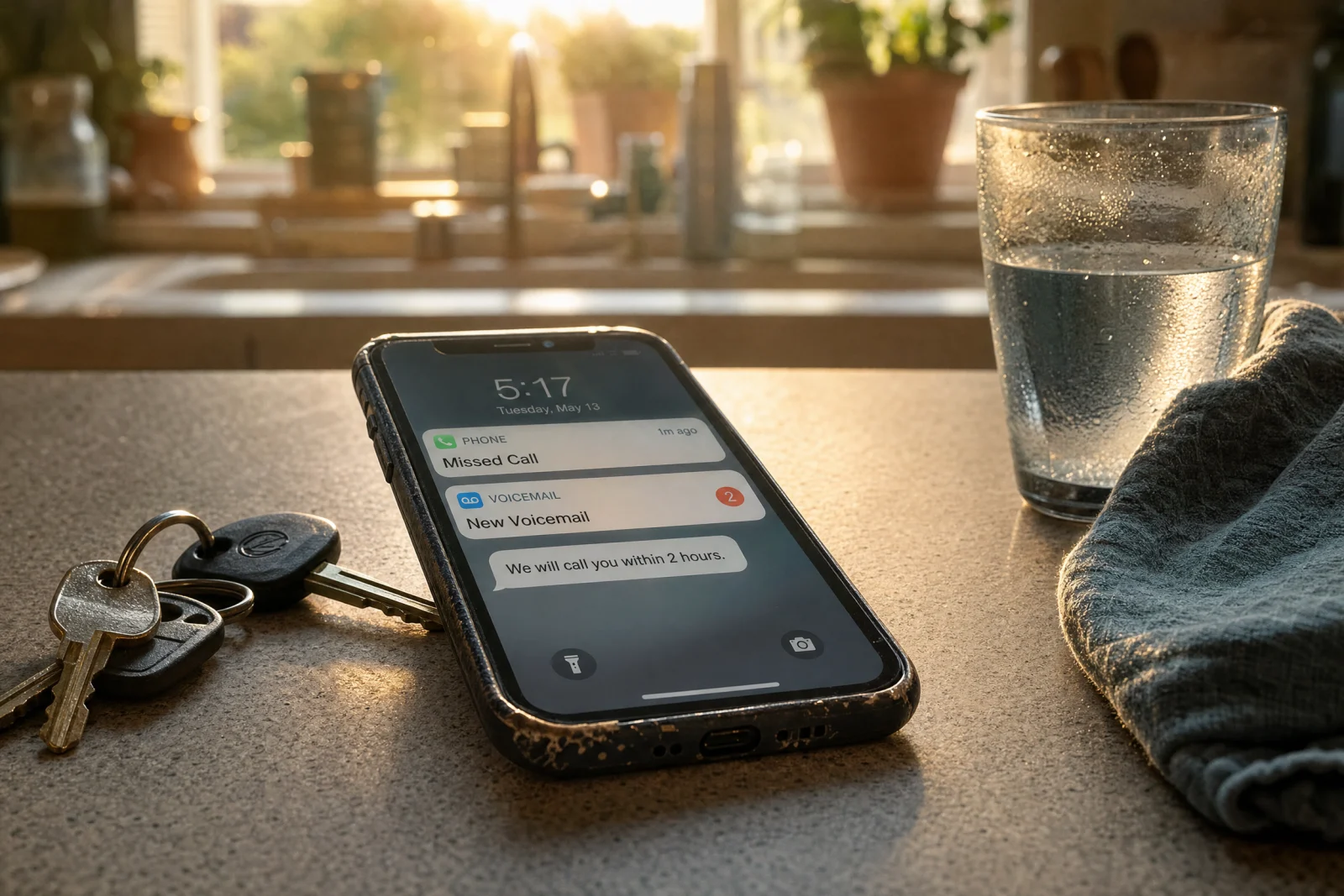
Two weeks later, the lead left a one-star review saying the company never responded. The owner was confused because he had tried three times. We pulled the chat logs and found the problem. The automated message said someone would call within two hours. The owner called within one hour. But the lead had already moved on within 30 minutes and hired someone else, so by the time the owner called, the lead did not care anymore and ignored the callback.
The system created an escalation loop. The bot promised two hours. The lead expected two hours but secretly wanted 30 minutes. The owner delivered in one hour, which was faster than promised but slower than needed. Everyone did their part, and the lead still disappeared. The gap was not in the follow-up. It was in the expectation the bot set versus the reality of how fast urgent leads actually move.
We have seen this pattern dozens of times. A business sets up after hours web chat that technically works—messages get logged, callbacks happen, follow-ups go out—but the timing is slow enough that leads evaporate before the system catches them. The business thinks they are responsive because they reply within a few hours. The lead thinks the business is slow because they needed help right now, not later today.
The fix is not faster humans. It is better triage. If a lead marks their issue as urgent, the system should escalate immediately—text the owner, call the on-call tech, do whatever it takes to get a human on it within 15 minutes. If a lead is browsing or planning ahead, a next-day callback is fine and the bot should say so up front. Treating every lead the same creates the loop. Treating urgent leads like they are urgent closes it.
Stop Waiting for the Perfect After Hours Web Chat Solution—Start Here Monday
Pull up your chat logs right now and look at the timestamps. What time do leads actually contact you. If you do not have chat logs because you do not have a chat system, check your contact form submissions or your Google Business Profile messages. The pattern will show up. You will see clusters of activity outside business hours, and if you are like most service businesses, you will see that a quarter to a third of your inbound inquiries happen when nobody is around to answer them.
Now check your response times. When do you actually reply. If you are responding the next business day to leads that came in at 10 PM, you are losing most of them. We have tracked this across enough service businesses to know the threshold. Leads that get a response within two hours convert at five times the rate of leads that wait until morning. That gap is not a minor edge. It is the difference between growth and stagnation.
Then do the thing nobody wants to do. Go to your top three competitors and open a chat on their website at 9 PM on a Wednesday. See what happens. One of them probably has an after hours web chat system that responds immediately. That system is why they are busy and you are not.
The smallest change you can make this week is this. Set up an automated response on your chat widget that acknowledges after-hours inquiries within 60 seconds, sets a clear callback time, and gives your phone number for urgent issues. That is it. No AI, no outsourced agents, no complicated workflow. A message that says we saw this, we will call you by 9 AM, and here is what to do if you cannot wait. That one change will capture the next after-hours lead instead of losing them to whoever answers first. If you are not sure how many leads you are currently missing or where the gaps are in your follow-up, our website lead capture and automation services include the same logs and response-time checks we ran for the clients in this article.
One lost lead this week is not one job. It is fifty jobs over the next year, because that lead is going to hire someone for this job, trust them, and keep calling them for the next emergency and the one after that. The cost of doing nothing is not a single missed opportunity. It is a customer relationship that goes to a competitor because your after hours web chat went silent when it mattered most.