Lead generation for small business is the problem this guide helps a business owner diagnose before making the wrong next move.
A landscaping company called us in March after spending three months and close to $3,000 on Google Ads. They got exactly two phone calls. One was a wrong number. The other was someone asking if they did snow removal in Florida. The owner was ready to give up on lead generation for small business entirely, convinced the whole thing was a scam designed to drain his bank account while his competitors somehow figured out the secret handshake he was missing.
We have been building lead systems for service businesses since 2018, and that story is not unusual.
Most small service companies quit lead generation for small business right before it starts working. They try one thing for three weeks, see nothing happen, panic, switch to something else, and decide the problem is lead generation itself. The actual problem is almost always the same: they are measuring the wrong thing, expecting instant results from slow channels, or abandoning a system before anyone even knows it exists.
What we learned after watching dozens of HVAC companies, plumbers, electricians, and cleaning services go through this cycle is that lead generation is not the hard part. Sticking with it long enough to see whether it works is the hard part. And knowing which channels deserve that patience in the first place.
Why Most Small Service Businesses Quit Lead Generation Before It Works
The landscaper who spent $3,000 on Google Ads made three mistakes that we see constantly. The first was expecting his phone to ring the day the campaign went live. Paid ads can work fast, but only if the targeting is right, the ad copy is right, the landing page is right, and the follow-up is right. He had none of those dialed in.
The second mistake was confusing activity with results. He was getting clicks. The Google Ads dashboard showed people visiting his site. He thought that meant the campaign was working. He was paying for traffic that could never become customers.
The third mistake was the one that killed the whole effort: he quit after three months. Three months sounds like a long time when you are watching your credit card statement and not seeing results. But for a brand-new ad campaign with no optimization, no call tracking, and no idea which keywords actually convert, three months is getting started. He pulled the plug right when he should have been learning what to fix.
We have watched this happen with Facebook ads, with SEO projects, with referral programs, with direct mail. A service business tries something, does not see immediate results, assumes it does not work, and moves on. The problem is that most strategies take longer than most business owners are willing to wait. Organic search visibility can take six months. A referral system needs time to build momentum. Even paid ads need a few weeks of testing before you know what is working.
The breaking point is almost always the same. Week one: excitement. Week three: doubt. Week six: panic. Week eight: abandon ship.
What we learned is that the businesses that actually get results are not doing anything magical. They are picking one or two channels, sticking with them long enough to see real data, and making decisions based on what actually happened instead of what they hoped would happen. The landscaper eventually came back, tried again with better targeting and a tighter service area, and started getting real calls within a month. He could have had those calls six months earlier if he had not bailed the first time.
The Lead Channel We Stopped Ignoring (And Why It Matters More Than Paid Ads)
For years we told service business clients that Google Ads were the fastest way to get leads. And they are, if you have the budget and the patience to improve them. But we kept seeing the same pattern: a plumber or electrician would spend $1,500 a month on ads, get a handful of calls, close one or two jobs, and then wonder why it felt so expensive and fragile. The second they paused the campaign, the leads stopped. It was like renting customers instead of earning them.
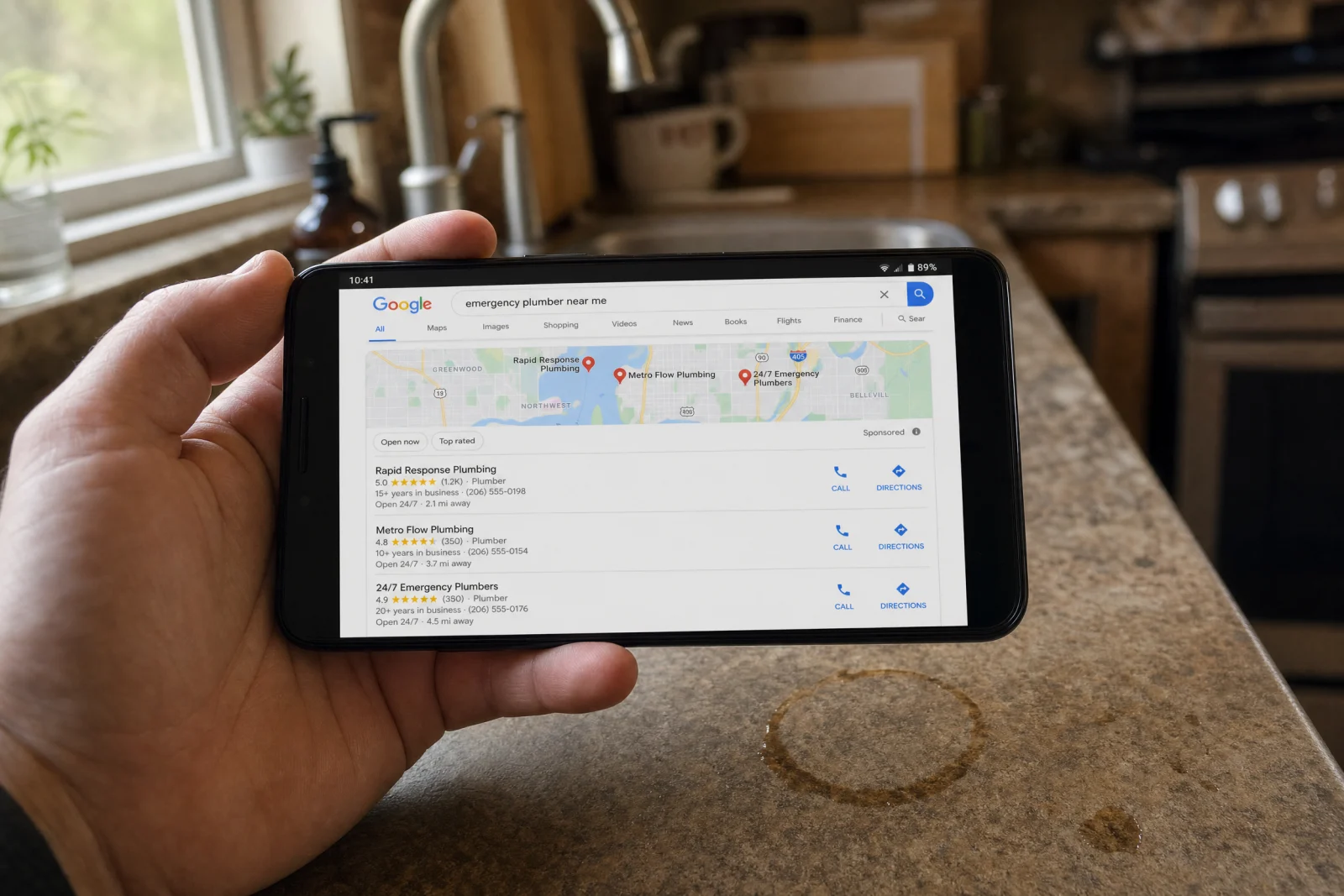
Then we started paying closer attention to the businesses that were not spending a dime on ads but still had steady work. They were showing up in local search results. When someone searched for an emergency plumber or an AC repair company near them, these businesses were in the top three results on Google. Not the paid ads at the top—the organic results right below them. And according to Google’s own research, nearly half of all Google searches are people looking for local information. Those searches turn into phone calls fast.
Local organic search is not sexy. It takes months to build. You cannot turn it on with a credit card. But once it is working, it keeps working whether you are paying attention or not. A lead generation professional we came across had been doing this for six years and built an entire comfortable living around it. No ads. No paid traffic. Local SEO that brought in steady leads month after month.
Facebook ads work if you are selling a product people did not know they needed. Google Ads work if you have a big budget and a high close rate. But for plumbers, electricians, HVAC companies, and contractors, local search visibility is where the phone actually rings. Someone with a broken air conditioner at nine at night is not scrolling Facebook. They are typing into Google, and the first three businesses they see are the only ones that exist.
How We Built a Follow-Up System That Actually Stuck
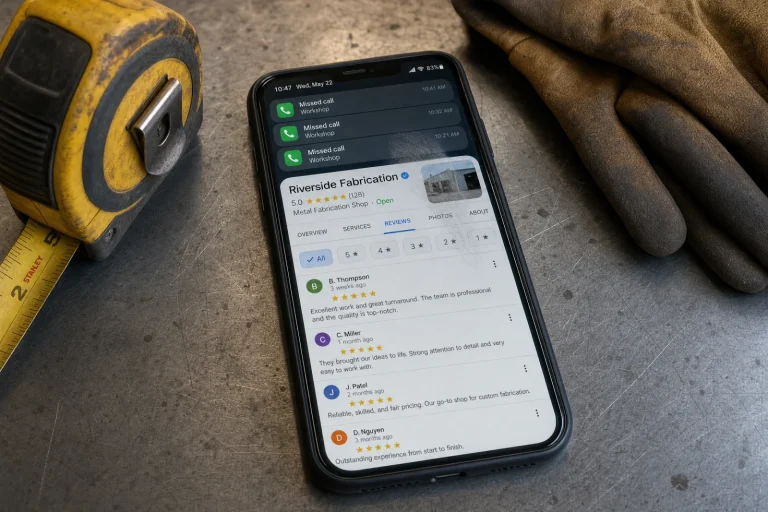
A few years ago, an HVAC client called us because they were losing jobs they should have won. They were getting leads from their website—people filling out the contact form, calling during business hours, even texting. But half of those leads were disappearing. We pulled their records and found the problem immediately. A lead would call on Tuesday afternoon. Nobody picked up because the techs were in the field and the office phone went to voicemail. By the time someone checked messages on Wednesday morning, the customer had already hired someone else.
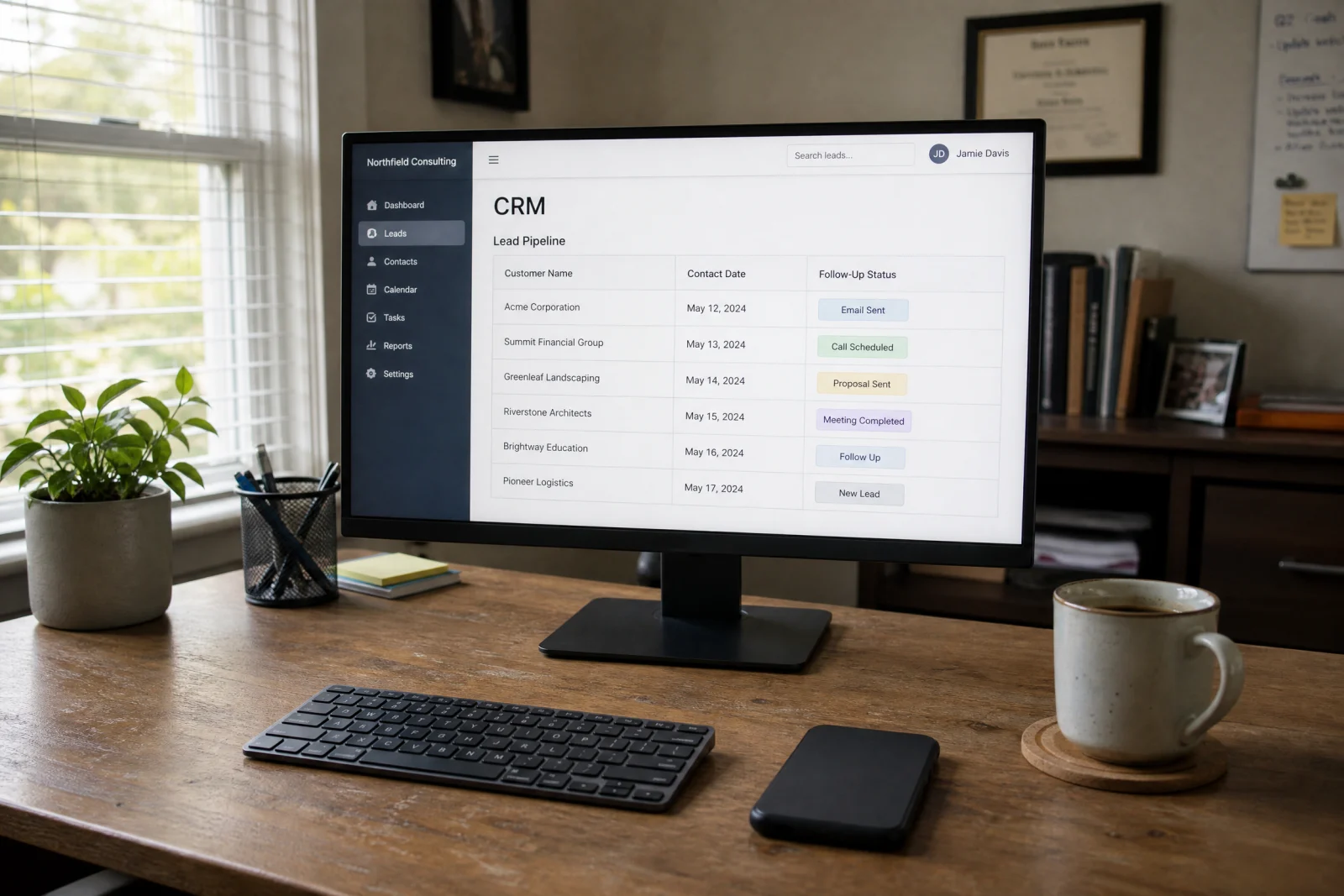
The fix was not complicated, but it required them to actually follow a system instead of hoping someone remembered to call people back. We set up a simple CRM that logged every lead the second it came in—phone call, web form, text message, all of it. Then we built a follow-up sequence that fired automatically. If someone filled out a form, they got a text within two minutes confirming we received it and would call them within the hour. If they called and nobody answered, the system sent a missed-call text immediately with a link to schedule a callback.
The part that made it stick was the timing. We did not tell them to follow up “as soon as possible” or “within 24 hours.” We told them within five minutes for the first contact, and if that did not connect, try again in two hours, then again the next morning. Specific times, not vague advice. The owner set a timer on his phone. His dispatcher did the same. It felt ridiculous at first, but it worked. They stopped losing leads to faster competitors because they became the faster competitor.
One message that worked better than anything else was dead simple: “Got your request for AC repair. Can we call you in the next ten minutes, or is there a better time?” No sales pitch. No company history. A fast, human response that made it clear someone was paying attention. That one text turned more leads into jobs than any of the polished marketing emails they had tried before.
The system did not require expensive software or a dedicated person to manage it. It required them to decide that speed mattered more than perfection, and that a lead five minutes old was worth more than a lead five hours old. Once they committed to that, the follow-up became automatic. The CRM handled the reminders. The team handled the calls. And the jobs started closing. If you are not sure whether your own follow-up system is leaking leads, our lead capture review walks through the same checks we use with service businesses.
The One Tool We Actually Use (And Why Everything Else Is Noise)
We use a CRM called GoHighLevel because it does three things most service businesses actually need: it captures leads from multiple sources in one place, it sends automated text and email follow-ups without requiring a marketing degree, and it syncs with phone systems so missed calls do not disappear into the void. It costs around $100 a month, and we have never had a client need training longer than an afternoon.
There are fifty other CRMs. HubSpot, Salesforce, Zoho, Pipedrive, Keap, ActiveCampaign, and two dozen more we have never heard of. They all do the same thing. Some have fancier dashboards. Some have more integrations. Some cost three times as much and require a consultant to set up. Pick one that works with your phone system and move on.
When We Realized We Needed Help (And When We Didn’t)
A cleaning company owner called us last year asking if she should hire a lead generation company or keep doing it herself. She was spending about twelve hours a week managing her Google Business Profile, responding to reviews, following up with leads, and trying to figure out why her website was not ranking. She was exhausted, and she was still missing calls because she could not be in two places at once.
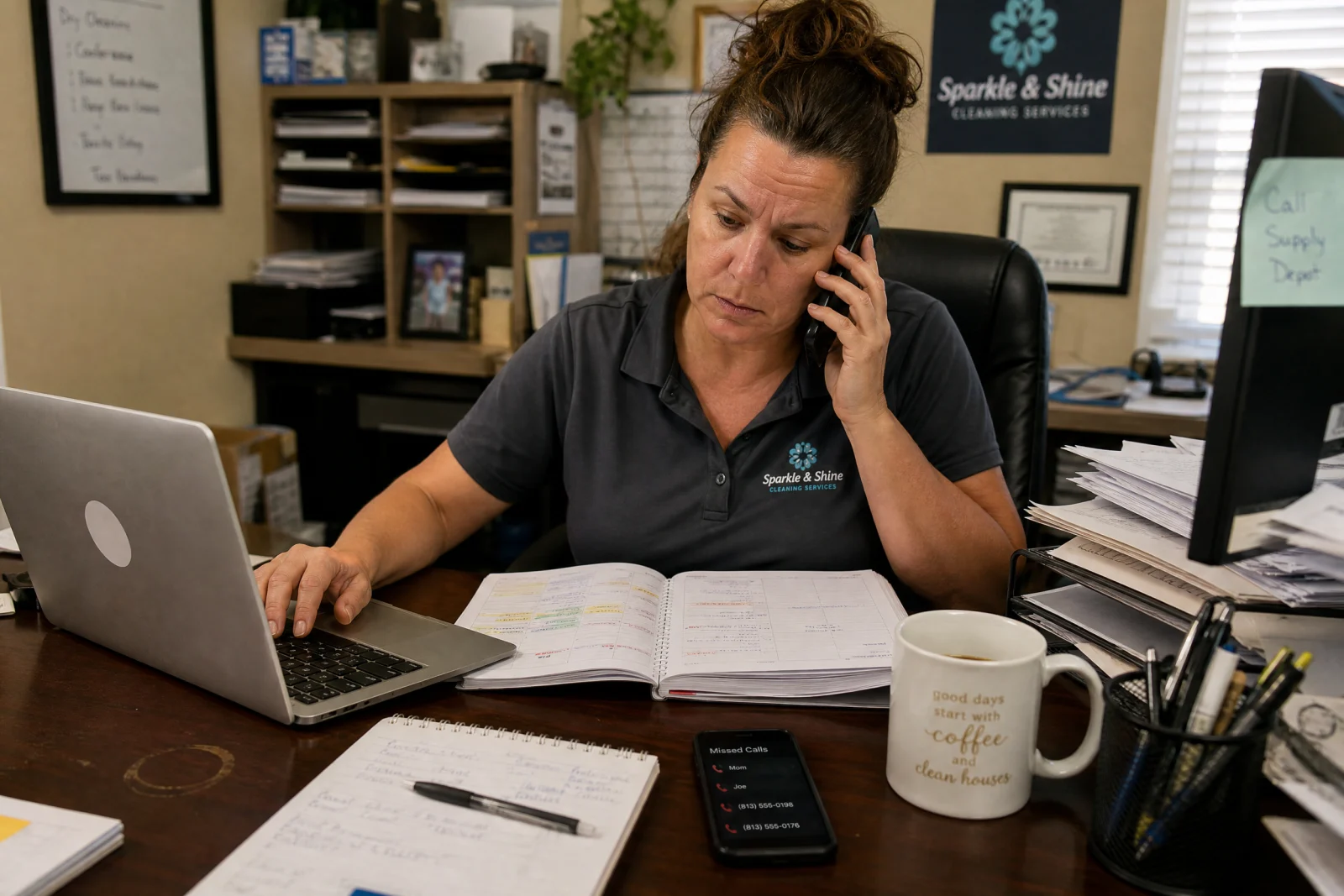
We told her to hire someone. Not because she was doing it wrong—she was doing it fine. But because twelve hours a week on lead follow-up meant twelve hours she was not running her actual business. The math was simple.
On the other hand, we have seen plenty of businesses hire help too early. A one-person handyman operation that gets three leads a week does not need a CRM, a marketing agency, or a virtual assistant. They need a phone number that forwards to their cell and a habit of calling people back the same day. Outsourcing makes sense when you are spending more time managing leads than you are closing them, or when you are missing opportunities because you physically cannot respond fast enough. If neither of those is true, save the money.
What outsourcing actually costs depends on what you are outsourcing. Lead generation companies typically charge between $50 and $200 per qualified lead for local service work, or a flat monthly fee in the low four figures if they are managing your entire pipeline. That is not cheap, but it is a lot cheaper than losing half your inbound leads because nobody called them back. What it actually solves is time and consistency.
What We Stopped Doing (And What We Do Instead)
We used to tell clients to be everywhere. Post on Facebook. Run Google Ads. Build an email list. Get on Instagram. Start a YouTube channel. Send direct mail. The idea was that more channels meant more leads. What actually happened was more chaos and worse results. A plumber does not have time to post on Instagram three times a week and also run a business. Trying to do everything meant doing nothing well.
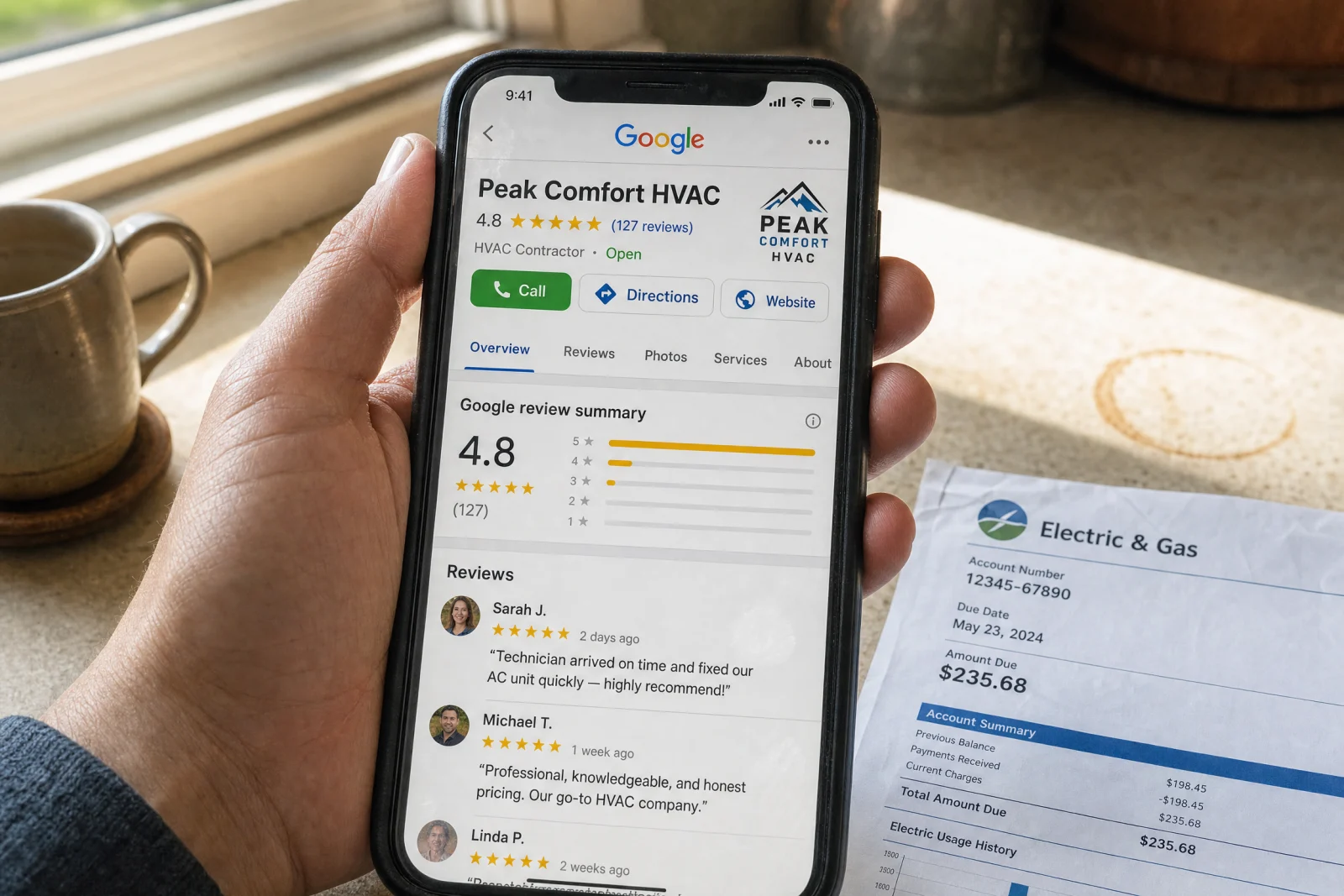
We stopped recommending the spray-and-pray approach and started focusing on two things: local search visibility and a follow-up system that does not rely on someone remembering to do it. Those two things—showing up when people search for your service, and responding faster than your competitors—account for most of the lead generation success we have seen in the last few years. Everything else is either a distraction or a bonus that only makes sense once those two are handled.
Social media works for some businesses. Referral programs work for others. Paid ads work if you have the budget and the discipline to improve them. But for most small service businesses, the best lead generation for small business approach is being easy to find and fast to respond. That is not exciting. It does not involve growth hacks or viral content or influencer partnerships. It is showing up in search results and answering the phone before the next guy does.
One HVAC company we work with tried Facebook ads for six months and got almost nothing. They switched their budget to cleaning up their Google Business Profile, getting more reviews, and improving their site for local search. Within three months they were getting more calls than they had capacity to handle. They did not do anything revolutionary. They stopped chasing the shiny stuff and focused on the boring stuff that actually works.
Audit Your Current System This Week
Pull your last twenty leads. Write down where each one came from, when you first contacted them, and whether you closed the job. You will see the leak immediately. Either you are getting leads from sources that do not convert, or you are losing leads because your follow-up is too slow, or you are doing fine and you need more volume from the channels that are already working. You do not need a consultant to tell you this. The data will tell you.
If you are spending more than ten hours a week on lead generation for small business tasks—tracking leads, following up, managing campaigns—and you are still missing calls or losing jobs to competitors, hire help. If you are not, do not. The goal is not to build a perfect system. The goal is to stop losing the leads you are already getting, and then get more of them from the channels that are actually bringing in work.
Which of your lead channels is actually making you money? If you do not know the answer, you are guessing. And guessing is why that landscaper spent $3,000 on Google Ads and got two calls. He did not know what was working because he never measured it. You can avoid that by spending fifteen minutes this week looking at where your jobs actually came from, not where you think they came from. The difference between those two things is the difference between your lead generation for small business working and draining your budget while your competitors answer the phone faster.