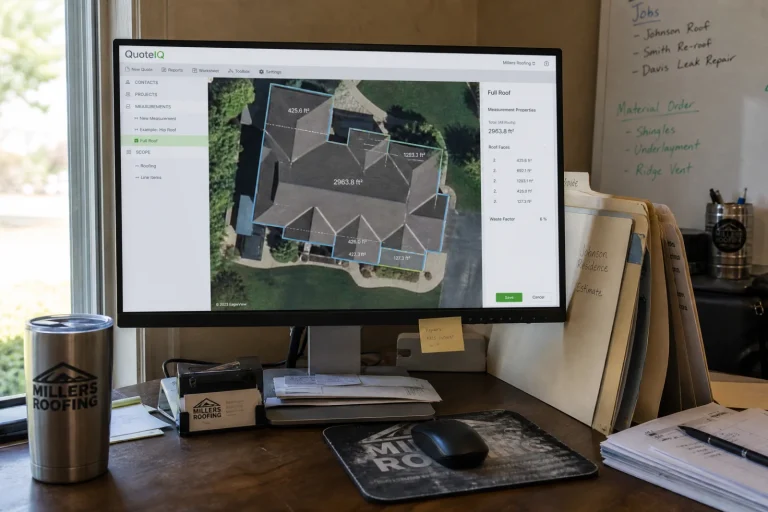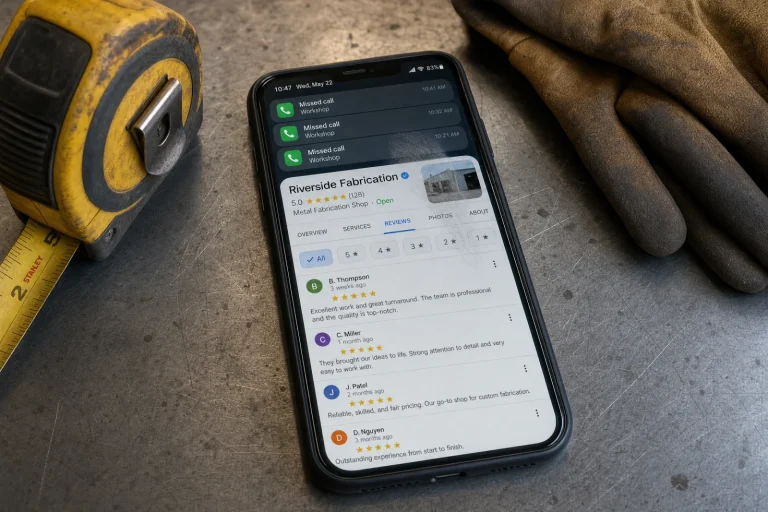
Reputation monitoring tools help business owners track what customers are saying online before a single negative review tanks their rankings. We see service businesses every week that have the right tools installed but still miss the reviews that cost them calls.
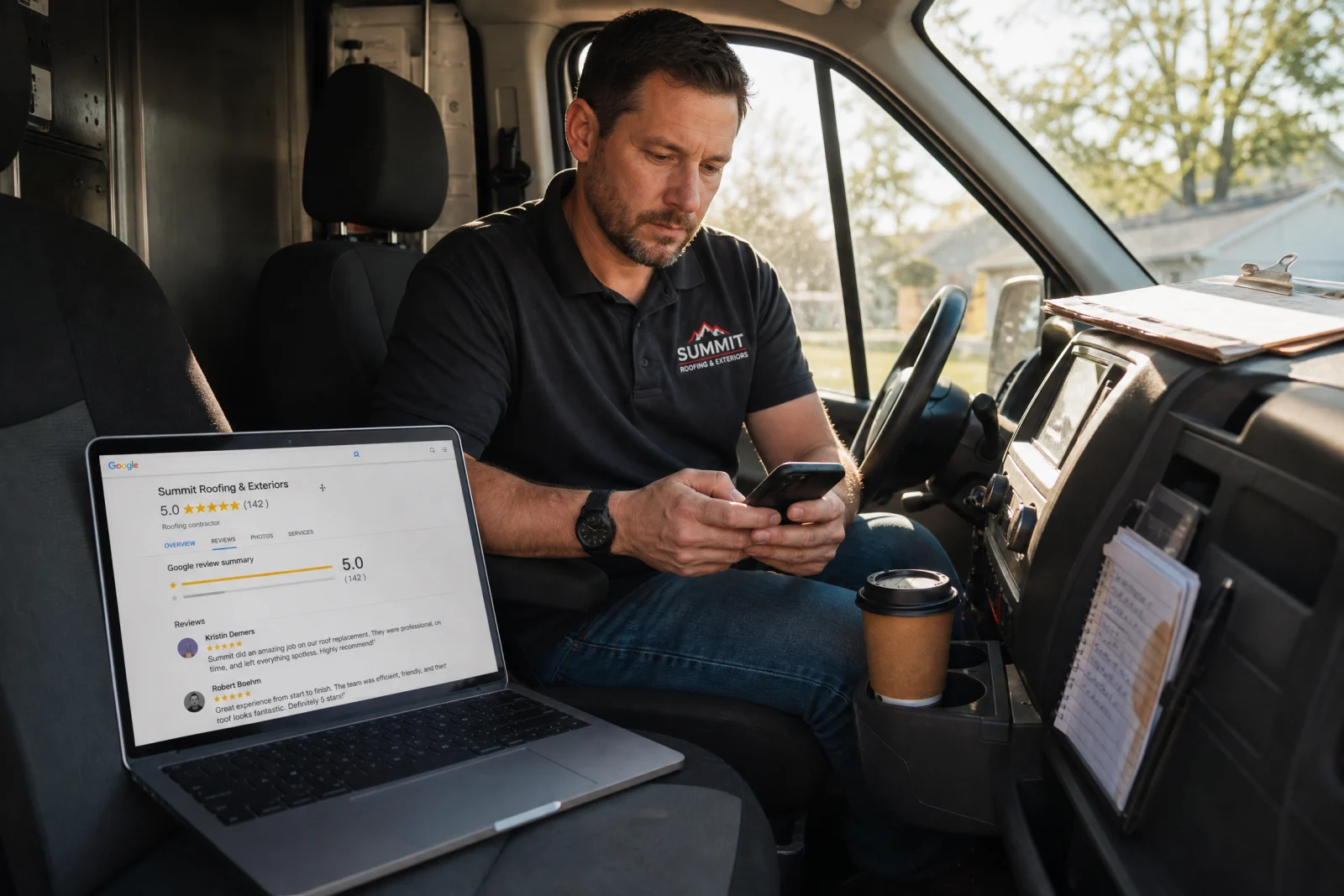
A plumber in Jacksonville called us last March after his Google Local ranking dropped from spot two to spot nine in three days. He had no idea why until we pulled up his Google Business Profile and found a one-star review sitting there for 72 hours with no response. The customer had written that the plumber never showed up for the appointment. The plumber had shown up—wrong address in the system—but by the time he saw the review and posted his side of the story, six people had already marked it helpful and Google had decided his business was less trustworthy than the eight competitors above him.
He had a reputation monitoring tool. It was sending him emails. He was not reading them anymore because it sent him an email every time someone mentioned his company name on Facebook, every time a blog post about plumbing appeared within ten miles of his zip code, and every time a competitor posted a photo with a geotag near his service area. Twenty alerts a day turns into zero alerts that matter.
That is the problem with most reputation monitoring tools in 2026. They alert you to everything, which trains you to ignore them. Then the one review that actually threatens your revenue sits unnoticed while you delete another batch of notifications about a Reddit thread that has nothing to do with your business. The cost is not one lost ranking. An unanswered negative review on Google keeps costing you calls for as long as it sits there, and every day you wait to respond makes it worse.
What actually matters is speed plus selectivity. You need reputation monitoring tools that catch the platforms your customers actually use—Google, Facebook, maybe Yelp if you are in certain trades—and send you an alert within minutes, not hours. You need it to ignore the noise so you can respond to the signal. And you need it to work on your phone because nobody is sitting at a desk when a one-star review drops at 9pm on a Saturday.
We have spent the last eight years building lead systems for service businesses all over the country, and we have watched more service businesses lose work to slow review responses than to bad review content. The business that answers in two hours looks like they care. The one that answers in two days looks like they are scrambling. The one that never answers looks like the review was accurate. Our local SEO services include reputation monitoring setup because we know most service businesses need both the tools and the response process to protect their rankings.
The Two Reputation Monitoring Tools That Actually Deserve Your Money
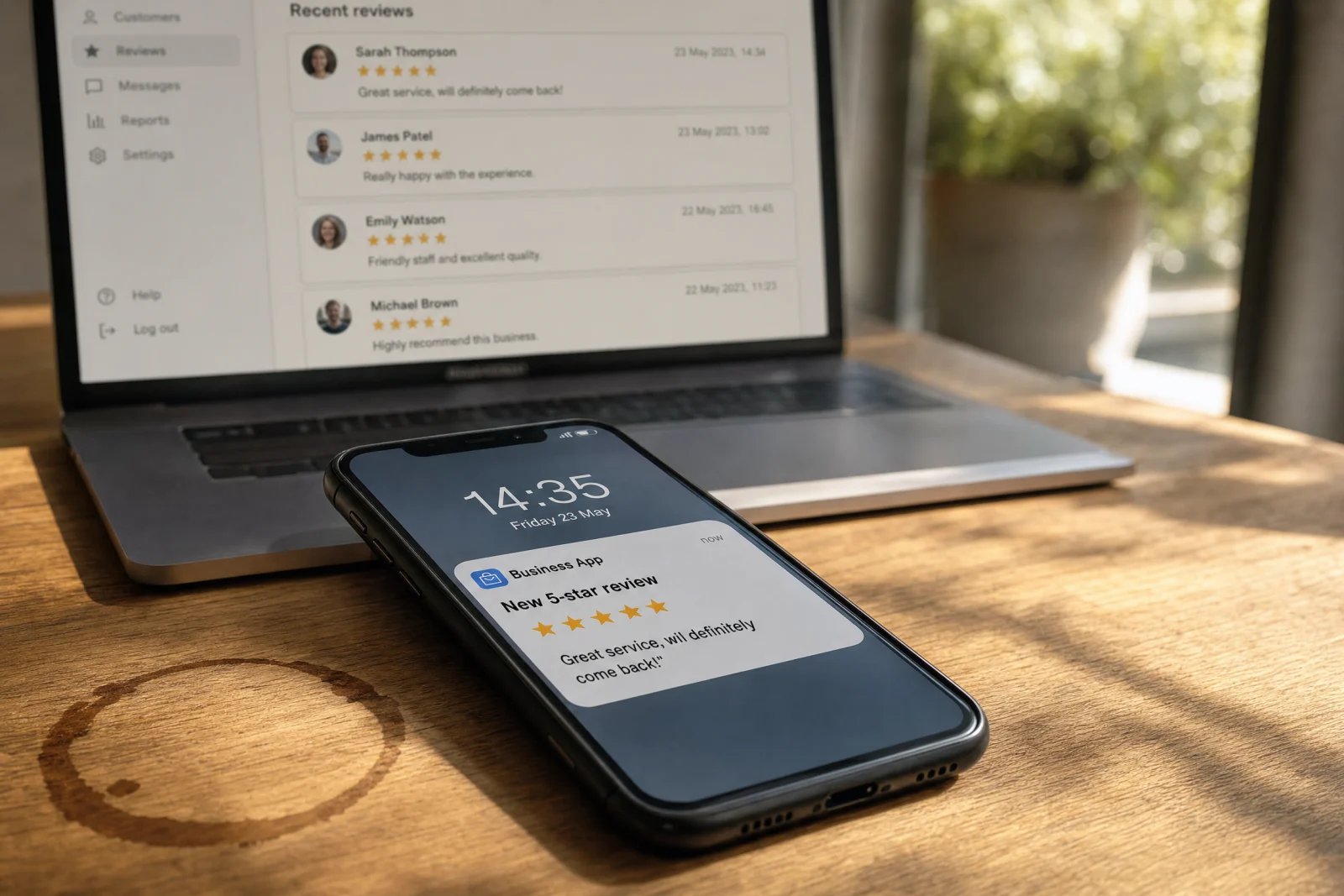
We have tested a dozen reputation monitoring tools with service business clients since 2018, and two of them consistently do the job without burying you in useless alerts. Birdeye is our number one pick. It starts at $299 per location per month, which sounds steep until you realize one missed review response can cost you more than that in a single week of lost calls. The alert system sends you a text and an email the moment a review posts, and the mobile app lets you draft and publish a response without opening a laptop. We set it up for an HVAC company in Tampa last year and they went from responding to reviews every few days to responding within an hour, which moved them from position four to position one in their zip code within two months.
Brand24 is the other tool worth paying for if you need broader web monitoring beyond review platforms. It tracks mentions across social media, blogs, forums, and news sites, and it lets you filter by location so you are not getting alerts about a different plumbing company with the same name in Oregon when you are based in Georgia. Pricing starts at $199 a month for up to three keywords and 2,000 mentions, which covers most single-location service businesses. The Boolean search feature lets you set rules like “company name + city + complaint words” so you catch the Facebook posts and Reddit threads where someone is asking for recommendations after a bad experience with a competitor.
Everything else we have tested either costs too much for what it delivers, alerts you to platforms your customers do not use, or requires so much manual configuration that you give up after the first week. Sprout Social is built for enterprise marketing teams and starts at $249 per user per month, which is overkill if you need to know when someone leaves a Google review. Awario is cheaper at $49 a month but pulls in so much irrelevant social media chatter that you end up ignoring it. Reputation.com works fine but charges $80 per location per month and then nickel-and-dimes you with add-ons for features that should be included.
Why Free Tools Will Cost You More Than They Save
We tried the free route with a cleaning company client in 2022. Google Alerts for their business name, a free trial of Mention, and manual checks of their Google Business Profile twice a day. It lasted three weeks before they missed a two-star review that sat unanswered for five days because the Google Alert went to a spam folder and the free trial expired without anyone noticing.

Free reputation monitoring tools create two problems. First, they miss platforms entirely or delay alerts by hours, which defeats the entire purpose. A review that posts at 10am and alerts you at 6pm might as well have alerted you the next morning—you already lost the window where a fast response makes you look responsive instead of defensive. Second, free tools do not integrate with anything, so you are logging into four different dashboards to check if something new appeared, which means you stop checking after the first busy week.
The cost of missing one negative review is higher than a year of paid monitoring. An unanswered one-star Google review that stays visible for a month can cost a plumber more in lost jobs than a monitoring tool costs all year. A $199-per-month tool pays for itself if it catches two reviews you would have missed with a free setup.
How We Built Alerts That Actually Catch What Matters (Without Drowning in Noise)
The first time we set up Brand24 for an electrical contractor, we made the mistake every beginner makes. We monitored everything. Company name, owner name, service area cities, competitor names, industry keywords like “electrician near me,” and a handful of complaint phrases we thought might catch negative mentions early. Within 24 hours the client had 140 alerts and zero patience.
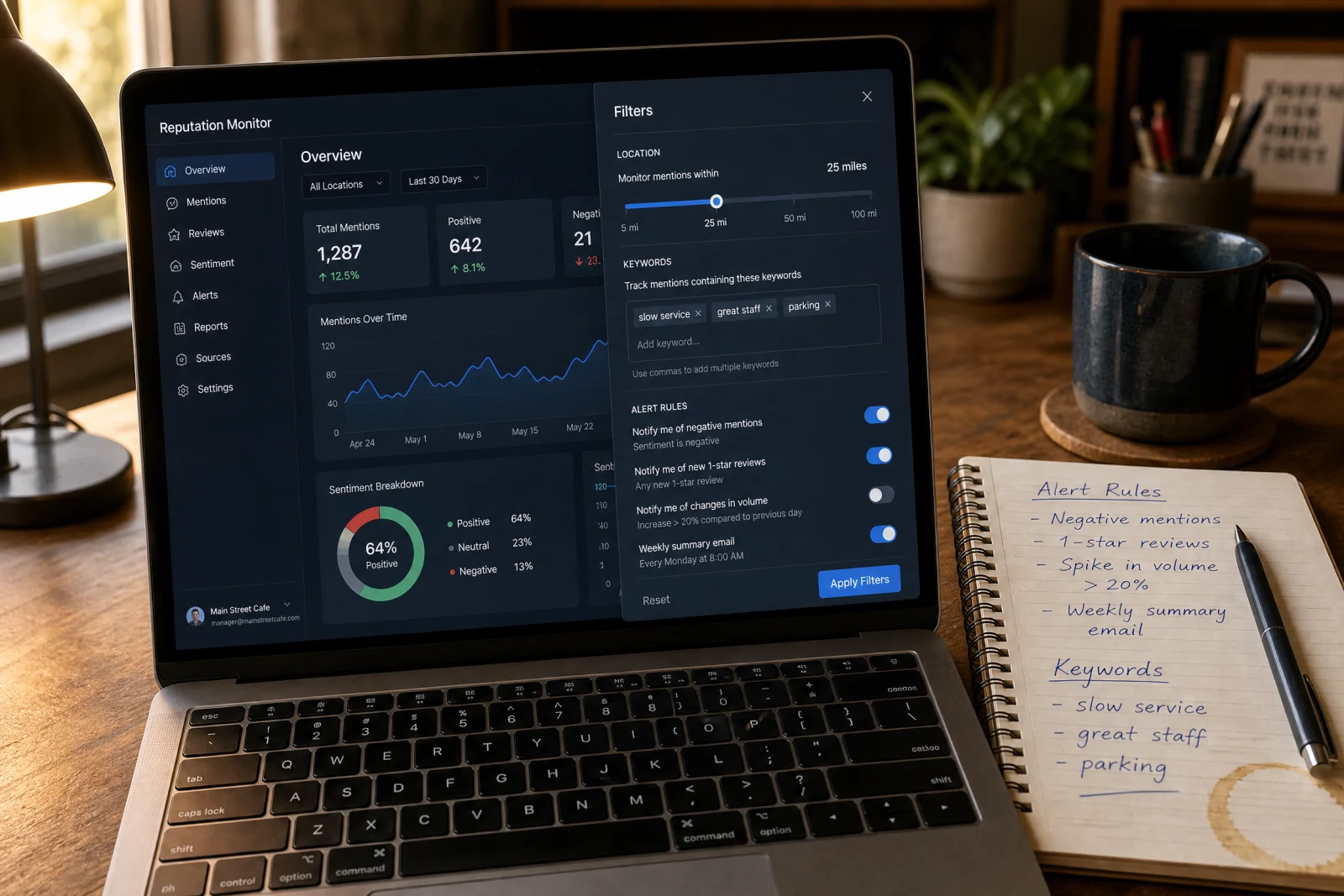
We pulled it all back and started over with three rules. Monitor the exact business name in quotes so you are not catching every use of the word “reliable” or “electric” within ten miles. Monitor the business name plus the top two competitor names in the same zip code, because when someone posts “looking for a plumber, anyone but [Competitor Name]” you want to see that thread while it is still active. And monitor the business name plus a short list of high-intent problem words—”no show,” “overcharged,” “rude,” “scam”—because those are the posts that cost you money if you do not respond fast.
Location filters matter more than most people realize. Awario lets you set Boolean search rules with country and region operators so you are only seeing mentions from your actual service area. We set up a filter for a roofing company in Charlotte that excluded mentions outside North Carolina and South Carolina, which cut their daily alerts from 60 to eight without missing a single local review or post. The tool was pulling in mentions of a roofing company with the same name in Arizona, a blog about metal roofing in Canada, and a Reddit thread about roof racks for cars. None of it mattered.
Notification cadence is the other half of the setup. Real-time alerts sound great until you get twelve texts during a site visit and start ignoring them. We set most clients up with instant alerts for Google and Facebook reviews—those need a same-day response—and hourly digest emails for everything else. Brand24 sends alerts through email, mobile app, and Slack depending on your plan, and we usually route Google reviews to text, Facebook to email, and broader web mentions to a Slack channel the office manager checks twice a day.
The mistake we see most often is monitoring too many platforms. You need Google, Facebook, and maybe Yelp or Angi depending on your trade. Octolens tracks Reddit with hourly alerts and claims 100% accuracy, which works if your customers actually use Reddit to find contractors, but in eight years we have seen exactly two service business clients get a job from a Reddit mention. Do not monitor a platform because the tool can track it.
The 24-Hour Window: Why Your Response Speed Matters More Than Your Response Quality
We have watched the same pattern play out across the service businesses we work with. The ones that respond to negative reviews within a couple of hours tend to hold or improve their Google Local ranking. The ones that let a negative review sit for a day or longer tend to slip, even when their overall star rating stays the same.

Google does not publish the formula, but every SEO specialist who works in local search will tell you the same thing: response speed signals trustworthiness. According to Google’s own guidance on managing reviews, responding to reviews shows that you value your customers and can help improve your local search presence. A business that answers a complaint in two hours looks like they monitor their reputation and care about fixing problems. A business that answers two days later looks like they only check reviews when they remember, which makes Google less likely to show them to searchers who are comparing options.
The psychology is even simpler. When someone leaves a negative review and the business responds within a few hours, the reviewer often edits or deletes the review because the problem got solved before they moved on to the next thing. When the business waits until the next day, the reviewer has already told six friends about the bad experience and is not interested in revising their opinion. We watched an HVAC client turn a two-star review into a four-star review by responding in 90 minutes with a direct apology and a plan to fix the issue. The customer updated the review that afternoon to say the company made it right.
Timing the actual response is easier than most people think. Check alerts first thing in the morning, at lunch, and before you leave for the day. If a negative review comes in after hours, draft the response that night and post it first thing the next morning so it is live within twelve hours. If a positive review comes in, you have more flexibility—responding within 24 hours is fine, and a short thank-you is all you need. The effort goes into the negative and neutral reviews because those are the ones that cost you ranking and revenue if you ignore them.
The quality of the response matters less than you think as long as you are polite, specific, and fast. A two-sentence reply that acknowledges the complaint and offers a solution beats a paragraph of defensive explanation that posts three days late. We have seen service businesses obsess over crafting the perfect response while the review sits unanswered for 48 hours, which is exactly backward. Post a short response now, then follow up privately with the customer to actually fix the problem.
Start Monitoring Today—But Only If You’re Ready to Actually Respond
Monitoring without response is worse than no monitoring at all. If you set up alerts and then ignore them, you are training yourself to tune out the tool, which means you will miss the review that actually matters. And if you respond slowly or inconsistently, you signal to Google and to potential customers that your business is not paying attention.
Here is the move: pick one platform this week. If you only do one thing, monitor Google Business Profile because that is where most of your calls come from. Set up Birdeye or Brand24 with alerts for your business name in quotes, and route those alerts to your phone as texts. Commit to a response window—two hours during business hours, twelve hours overnight—and stick to it for 30 days. If you are not sure whether your current review process is costing you leads, our free website scorecard includes a section on reputation management that shows where most service businesses lose calls. If you can hold that cadence, add Facebook. If you can hold both, add your top two competitor names so you catch the threads where someone is asking for recommendations after a bad experience with them.
The plumber in Jacksonville who dropped from spot two to spot nine is back at spot three now. He responds to every Google review within four hours, and he has not missed one in eight months. It took him two weeks to build the habit, and it costs him $299 a month for his reputation monitoring tools plus maybe ten minutes a day. That is less than he used to spend on one Google Ads click.